
PharmEasy, established in 2015, has rapidly become a prominent player in India’s digital healthcare sector. By leveraging technology, it has transformed how consumers access medicines, diagnostics, and healthcare products. This article delves into PharmEasy’s business model, exploring its revenue streams, financial performance, and strategic initiatives that have propelled its growth.
Business Model Overview
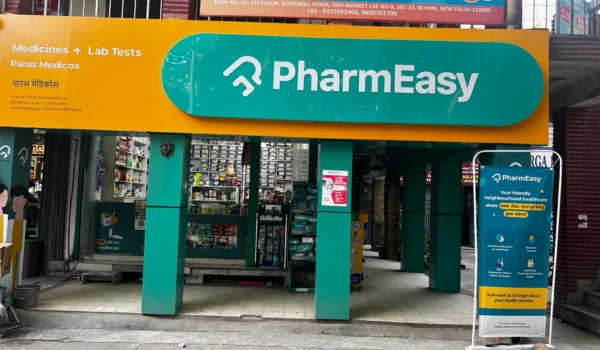
PharmEasy operates on a hybrid model, combining Business-to-Consumer (B2C) and Business-to-Business (B2B) strategies to cater to individual consumers and healthcare providers. The platform offers a comprehensive suite of services, including:
- Online Pharmacy: Users can order prescription and over-the-counter medicines through the PharmEasy app or website, which are then delivered to their doorstep.
- Diagnostic Services: PharmEasy facilitates at-home diagnostic test bookings, with sample collection and result delivery managed seamlessly.
- Teleconsultations: The platform provides virtual consultations with qualified healthcare professionals, enhancing accessibility to medical advice.
- Healthcare Products: A wide range of wellness and personal care products are available, catering to diverse consumer needs.
Revenue Streams
PharmEasy has developed multiple revenue channels to sustain and grow its operations:
- Commission on Product Sales: The company earns a margin on the sale of medicines and healthcare products by acting as an intermediary between consumers and partner pharmacies. This commission varies based on product categories and partnerships.
- Diagnostic Services: By offering diagnostic tests, PharmEasy generates revenue through service fees charged to consumers. This includes partnerships with diagnostic centers and labs, where a portion of the test fee is retained by PharmEasy.
- Advertising and Promotions: PharmEasy monetizes its platform by allowing pharmaceutical companies, diagnostic centers, and medical equipment manufacturers to advertise their products and services. Sponsored listings and featured placements provide additional visibility for brands, contributing significantly to revenue.
- Delivery and Convenience Fees: For the convenience of home delivery, PharmEasy charges a nominal fee to customers. This fee helps cover logistics and operational costs associated with order fulfillment.
- Subscription Services: The “PharmEasy Plus” subscription model offers customers benefits like free deliveries, exclusive discounts, and priority services for a recurring fee, providing a steady income stream.
Financial Performance
In the fiscal year 2023-24 (FY24), PharmEasy reported a revenue of ₹5,664 crore, marking a 14.7% decline from the previous year. Despite the dip in revenue, the company successfully reduced its net loss to ₹2,533 crore, a significant improvement from the ₹5,212 crore loss reported in FY23. This reduction in losses is attributed to strategic cost optimization and a focus on higher-margin customers.
Strategic Initiatives
PharmEasy has undertaken several strategic measures to strengthen its market position:
- Acquisitions: The company has expanded its capabilities through acquisitions, including Medlife and Thyrocare, enhancing its service offerings and market reach.
- Cost Optimization: By centralizing operations, closing non-profitable warehouses, and discontinuing low-margin initiatives, PharmEasy has significantly reduced operational expenses. Marketing expenses were also curtailed, focusing on high lifetime value customers and efficient channels.
- Technological Integration: Investments in technology have streamlined supply chain management, improved user experience, and enhanced data analytics capabilities, allowing for personalized services and efficient operations.
Challenges and Future Outlook
Despite its growth, PharmEasy faces challenges such as intense competition in the e-pharmacy sector, regulatory hurdles, and the need for continuous technological innovation. The significant decline in valuation, dropping approximately 92% to around $456 million, underscores the volatility in the market and the importance of sustainable business practices.
Looking ahead, PharmEasy aims to focus on profitability by optimizing operations, expanding service offerings, and enhancing customer engagement. The company is also exploring opportunities in telemedicine and personalized healthcare solutions to cater to evolving consumer needs.
Conclusion
PharmEasy’s multifaceted business model, encompassing product sales, diagnostic services, advertising, and subscriptions, has positioned it as a leader in India’s digital healthcare landscape. Through strategic initiatives and a commitment to innovation, the company continues to adapt to market dynamics, striving for sustainable growth and improved healthcare accessibility.

Shashi Kant is the Founder and Editor of BusinessScroller.com, a leading platform for business insights, finance trends, and industry analysis. With a passion for journalism and expertise in business reporting, he curates well-researched content on market strategies, startups, and corporate success stories. His vision is to provide valuable information that empowers entrepreneurs and professionals. Under his leadership, BusinessScroller.com has grown into a trusted source for in-depth articles, customer care guides, and financial expertise.