
If you love mithai and want to turn that love into a business, Hira Sweets — a century-old name in North Indian sweets — is a franchise option worth exploring. In this post I’ll break down the franchise cost, the franchise model, what kind of ROI you can realistically expect, the eligibility criteria, and a clear step-by-step of how to apply. I’ve used the brand’s official information where available and industry sources for realistic numbers and examples.
Quick snapshot
- Estimated investment (single outlet): ~₹20 lakh (this figure appears on franchise info pages and aggregator sites — details below).
- Master franchise (city): reported around ₹50 lakh (non-refundable in some disclosures).
- Royalty: ~4% of monthly gross revenue (reported on franchise criteria pages).
- Minimum shop size: approx. 20 ft × 30 ft.
- Contact for franchise enquiries: official Hira Sweets franchise email/phone listed on the brand site.
The franchise model — what Hira Sweets offers
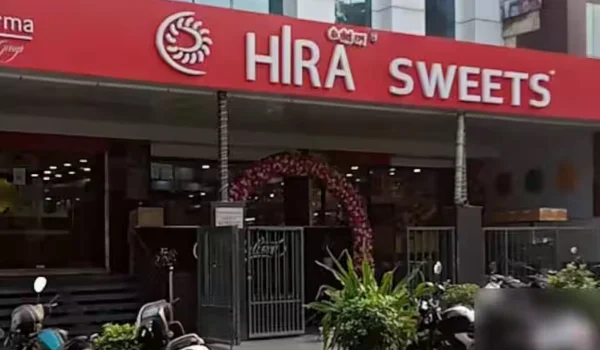
Hira Sweets operates a retail sweets-and-snacks model: walk-in shops, ready-made mithai, bakery items, gift hampers and catering for events. They appear to offer both single outlet franchises and master/franchising rights for territories (city-level master). The single unit model suits owner-operators or investor-operators, while the master model is aimed at investors who want to appoint sub-franchisees across a city/region. Official pages provide contact info and invite franchise enquiries.
How much does it cost? (breakdown & what the reported numbers mean)
Different sources and brand pages report somewhat different breakdowns — that’s common in franchising. Here’s a practical reading of the available numbers:
- Total initial investment (typical single outlet): ~₹20 lakh — this headline number is reported on Hira franchise criteria pages and franchise aggregator analyses. It generally includes shop fit-out, equipment, initial inventory, signage, and some working capital. Some aggregator pages suggest that the actual franchise fee component may be a fraction of this (for instance ₹1–3 lakh), with the remainder being setup costs.
- Master franchise fee (city-level): ~₹50 lakh — reported on franchise criteria pages; often listed as non-refundable. That figure is typical for a master-rights model where the buyer gets exclusivity in a territory.
- Royalty / ongoing fees: ~4% of monthly gross revenue — a commonly cited figure for single outlets in the published franchise criteria.
- Shop size requirement: Minimum ~20 × 30 ft (this gives enough space for display counters, small service area and a little back-of-house prep).
Note: Always ask the franchisor for a formal Franchise Disclosure Document (FDD) or franchise agreement draft — that document will itemize exact fees, refundable/non-refundable parts, training costs, marketing contributions, and other obligations.
Estimating ROI — realistic example
ROI in food retail depends on location, footfall, pricing, and operating discipline. Using reported figures (20% gross margin cited in franchise notes) and the common retail structure, here’s an illustrative example — treat this as an estimate, not a guarantee.
Example assumptions (monthly):
- Monthly sales (modest high-street shop): ₹4,00,000
- Gross margin (reported): 20% → Gross profit = ₹80,000
- Royalty (4%): ₹16,000
- Rent, staff, utilities, packaging, marketing: ₹40,000–₹60,000 (variable by city & location)
- Net operating profit (before tax): might be near ₹4,000–₹24,000/month on modest sales in this scenario.
With an initial investment of ₹20 lakh, payback could be several years unless sales are significantly higher (e.g., prime mall or high-footfall market). If you secure a strong location with monthly sales ₹8–10 lakh, profits rise substantially and payback shortens. Aggregator franchise analyses also discuss “profit potential” but emphasise that location and management matter most.
Bottom line: Hira Sweets can be profitable in the right location, but don’t assume quick payback — run conservative projections based on local rents and expected footfall.
Eligibility Criteria (what franchisor typically looks for)
From the franchising criteria posted online, common eligibility requirements include:
- Sufficient capital for the initial investment (₹20L single, ₹50L master as reported).
- Minimum shop footprint (≈20 × 30 ft).
- Commitment to follow brand standards, operations, and quality controls. (Standard franchising requirement — expect training & audits.)
Steps to apply — a practical checklist
- Initial research — read the official franchise page and local aggregator reports to understand fees and obligations.
- Contact franchisor — use the official franchise enquiry contact (phone / email listed on Hira Sweets site) to request the franchise pack and FDD.
- Submit expression of interest — fill any form or send basic business profile, proposed location and proof of funds.
- Review franchise disclosure & negotiate — review fees, territory, training, marketing funds, and termination clauses. Consider a lawyer experienced in Indian franchising.
- Location approval & site fit-out — franchisor typically approves the site and mandates brand-compliant fit-out.
- Training & launch — attend franchisor training, hire staff, and plan launch marketing.
- Ongoing operations — maintain quality, report sales as required, and pay royalties.
Final tips before you sign
- Visit existing Hira outlets to judge quality, service and peak sales periods.
- Ask for performance histories of comparable outlets (real sales numbers, not optimistic estimates).
- Hire an accountant or franchise lawyer to review the agreement.
- Compare alternatives — there are many regional sweet chains and local successful independent models; make sure Hira’s brand fit and financials suit your market.

Shashi Kant is the Founder and Editor of BusinessScroller.com, a leading platform for business insights, finance trends, and industry analysis. With a passion for journalism and expertise in business reporting, he curates well-researched content on market strategies, startups, and corporate success stories. His vision is to provide valuable information that empowers entrepreneurs and professionals. Under his leadership, BusinessScroller.com has grown into a trusted source for in-depth articles, customer care guides, and financial expertise.