
The first time you actually execute a trade, there’s a nice sense of excitement. You click the button, the numbers appear, and you think, “This is it! I am a trader!” But once the excitement dies down, you notice something odd – your gain is not what you thought it would be. And that’s when it dawns on you – the costs of trading.
Brokerage commissions, transaction costs, STT, stamp duty, GST, etc., these all add up to an invisible army of costs nibbling away at your profit. And if you are not careful and aware, those little costs may quietly eliminate your profit. This is where a brokerage calculator can be your best friend. It’s not fancy, and it’s not exciting, but an unsung hero that shows you exactly how much you will gain (or lose) before you can execute a trade.
If you’ve ever looked at your trading app and wondered, “Wait, where did my profit go?” — this is your cue to start using one.
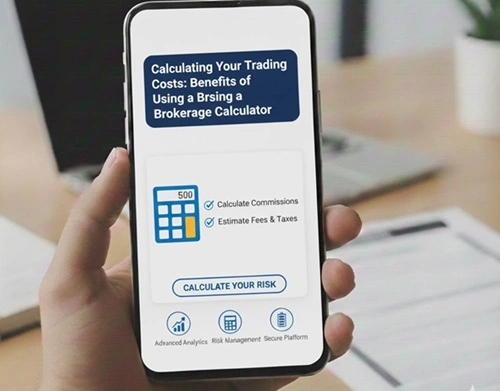
Why knowing your costs matters before trading
Every trade you make has a cost. The problem is, it’s rarely obvious. When you buy and sell shares, the broker takes a small fee, the exchange takes a bit, the government chips in with taxes, and suddenly your Rs. 1,000 profit is more like Rs. 920.
Now, imagine making hundreds of trades a year. That’s a lot of hidden money going out the window. But when you use a brokerage calculator, you’re not guessing — you’re planning. It gives you a clear idea of your total costs so you can decide whether a trade is worth making in the first place.
It’s like checking the bill before ordering dessert — smart, right?
And if you’re someone who dabbles in OTC trading (over-the-counter trading) or unlisted securities, this becomes even more important. Those trades sometimes come with higher or variable fees, so calculating your exact costs beforehand can save you from surprises later.
What a brokerage calculator actually does
Think of a brokerage calculator as your financial measuring tape. It tells you exactly how much you’re spending per trade — down to the last rupee.
Here’s what it usually includes:
- Brokerage fees: The commission your broker charges per trade or as a percentage.
- Exchange transaction charges: Fees from the NSE or BSE.
- STT (Securities Transaction Tax): The government’s slice of your trading activity.
- GST: Tax on the brokerage and transaction fees.
- Stamp duty: Applied by the state based on the transaction value.
You simply enter your trade details — like the buy price, sell price, quantity, and exchange — and the calculator does all the math. Within seconds, it shows your net profit or loss after every single cost.
No more guesswork. No more end-of-day surprises.
Why every trader (yes, you too) should use it
Even if you trade once in a while, understanding your costs can completely change how you approach the market. Here’s why it’s worth using a brokerage calculator regularly:
- It helps you plan smarter trades.
You can see if a trade is worth it after costs. Sometimes, what looks profitable isn’t, once you add fees. - It improves your accuracy.
You’ll know your break-even point — the exact price your stock needs to reach before you start making a real profit. - It saves you from overtrading.
Many traders think frequent trades mean more profit. But when you see how costs add up, you’ll think twice before chasing every move. - It keeps your expectations realistic.
You’ll stop being shocked when your trading account shows less profit than you calculated in your head.
Once you start using it, you’ll notice how your decisions get sharper. You’ll plan better, execute better, and most importantly — you’ll stop leaving money on the table.
How to use a brokerage calculator step-by-step
Suppose you are trading in shares of Infosys. You want to buy 100 shares at Rs. 1,500 and sell them at Rs. 1,530.
Here’s how you would do it:
Visit your broker’s site or application, navigate to the brokerage calculator section.
Fill in:
- Buy price: Rs. 1,500
- Sell price: Rs. 1,530
- Quantity: 100 shares
- Exchange: NSE or BSE
- Then click “Calculate.”
In a few seconds, you will see:
- Total brokerage fees charged
- Taxes (STT, GST, stamp duty, etc.)
- Net profit after all deductions
That’s your real number, the one that counts. And knowing that before you enter a trade gives you an advantage that most traders ignore.
Using it for different types of trades
Here’s the fun part: a brokerage calculator isn’t just for equity delivery trades. You can use it for almost everything.
- Intraday trading: Quickly check if small moves will still make sense after costs.
- Futures and options: Fees are higher here, so this is essential before big trades.
- Commodity trading: Different charges apply depending on the exchange — the calculator keeps you accurate.
- Currency or OTC trading: Perfect for estimating transaction costs before making international trades or private deals.
When you understand your total cost upfront, you trade confidently — not blindly.
How a calculator changes your trading mindset
You know that feeling when you think you’ve made a winning trade, but the profit just isn’t there? That’s where this tool saves your sanity. It makes you look at trading more strategically.
You stop chasing trades for excitement and start focusing on profitability. You start seeing patterns — which trades give good returns after costs, and which ones just waste time.
It’s like switching from impulse shopping to smart budgeting. You’re still doing what you enjoy, but you’re doing it better.
A few quick tips for you
Here’s how to make the most of your brokerage calculator:
- Use it before every trade: Especially for intraday and high-volume trading.
- Compare brokers: Check how fees differ — small changes can make a big difference.
- Analyse past trades: See which ones would’ve performed better with smarter timing or lower costs.
- Recheck charges: Some brokers change their fee structures — stay updated.
When you start using it regularly, it becomes second nature. You’ll automatically think in terms of “net profit” instead of “headline profit.”
Why it’s perfect for Indian traders
In India, trading costs can vary depending on the state, exchange, and even the type of trade. Without a calculator, it’s almost impossible to get the numbers right.
But with one, you can:
- Compare your effective cost across NSE and BSE.
- Track how taxes like STT or stamp duty affect your returns.
- Plan your portfolio with more accuracy and control.
And because most brokerage calculators are online, they’re available anytime — on your laptop or phone. Whether you’re trading in your lunch break or late at night, you’ll always know exactly where you stand.
Wrapping it up
Trading is much more than just buying low and selling high — it’s about the reality of what happens between those two points. Obviously, every rupee counts in trading, and you will completely lose sight of your real profit if you ignore your trading costs.
A brokerage calculator will help keep you grounded. It will help you analyze, plan, calculate, and eventually trade more intelligent without the nasty surprises that await you when you check your account balance later. It provides you with complete control over all your numbers, regardless of whether you’re trading equities, options, or even trading OTC.
So, next time before you hit that “Buy” or “Sell” button, take 30 seconds to check your costs. You’ll know exactly what you stand to gain — and trust me, that tiny step can make you a much smarter trader.
Because in the end, trading isn’t just about making money — it’s about keeping more of what you earn.

Shashi Kant is the Founder and Editor of BusinessScroller.com, a leading platform for business insights, finance trends, and industry analysis. With a passion for journalism and expertise in business reporting, he curates well-researched content on market strategies, startups, and corporate success stories. His vision is to provide valuable information that empowers entrepreneurs and professionals. Under his leadership, BusinessScroller.com has grown into a trusted source for in-depth articles, customer care guides, and financial expertise.