
The logistics industry continues to face one of its most persistent challenges in 2026: finding enough qualified workers to keep warehouses, distribution centers, and loading docks running at capacity. The Bureau of Labor Statistics reports that the transportation and warehousing sector had approximately 435,000 job openings at the end of 2025, a number that has remained stubbornly high despite broader cooling in the labor market.
For companies that depend on container loading, unloading, and warehouse operations, the labor gap creates real operational problems. Shipments back up at receiving docks. Outbound orders miss carrier cutoff times. And the cost of overtime for existing workers erodes margins that are already thin in a competitive logistics environment.
This is where specialized staffing companies have become essential partners for businesses across the supply chain, filling a role that general temp agencies simply cannot.
Why General Staffing Agencies Fall Short in Logistics
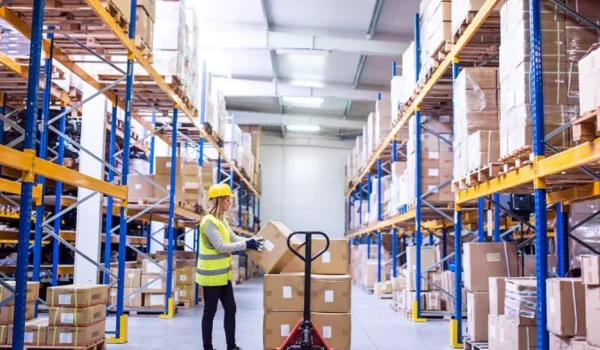
The warehouse and logistics environment has specific requirements that distinguish it from other industries. Workers need to understand dock safety protocols, operate powered industrial trucks, handle freight of varying sizes and weights, and work in fast-paced environments where efficiency directly impacts carrier schedules and customer satisfaction.
General staffing agencies often send workers who lack this foundational knowledge, creating safety risks and productivity gaps that cost more than the staffing savings they provide. A worker who does not understand how to properly build a pallet, secure a load for transit, or work safely around dock plates and trailer doors is not just slow. They are a liability.
According to the Occupational Safety and Health Administration, warehouse and distribution operations account for a disproportionate share of workplace injuries in the logistics sector. Proper training and experience reduce incident rates significantly, which is why specialized logistics staffing providers invest heavily in worker preparation before placing them on client sites.
The Lumper Service Model
One of the most critical specialized staffing functions in logistics is lumper services, which involves providing trained crews to load and unload freight containers and trailers at warehouses and distribution centers. The lumper model has been a fixture of the supply chain for decades, but its importance has grown as e-commerce volumes continue to push warehouse throughput requirements higher.
Lumper crews handle some of the most physically demanding work in the logistics chain. Unloading a fully packed 40-foot container by hand requires not just physical stamina but knowledge of proper lifting techniques, freight organization, and damage prevention. Experienced lumper teams can unload containers 30 to 40 percent faster than untrained workers while maintaining lower product damage rates.
Companies like humano specialize in providing trained lumper and warehouse staffing teams that arrive ready to work. This specialization matters because the time spent training a general temp worker on dock operations is time that a specialized provider has already invested before the worker ever arrives on site.
Scaling Operations Without Fixed Overhead
One of the primary advantages of working with a logistics staffing partner is the ability to scale labor up and down based on actual demand. Warehouse volumes are inherently cyclical. Retail distribution centers see massive spikes during holiday seasons. Agricultural logistics operations peak during harvest periods. And e-commerce fulfillment centers experience demand fluctuations tied to promotional events and seasonal buying patterns.
Maintaining a permanent workforce sized for peak demand means carrying excess labor costs during slower periods. Conversely, staffing only for average demand means scrambling to find workers when volumes spike, often at premium overtime rates and with less experienced people.
The staffing partner model provides a middle path:
- Core permanent staff handles baseline operations
- Specialized staffing partners provide trained supplemental workers during peak periods
- Labor costs scale proportionally with actual throughput
- Workers arrive pre-trained and ready for immediate productivity
- Staffing adjustments can happen within days rather than weeks
This flexibility has become increasingly valuable as supply chain volatility has increased. The ability to add a full container unloading crew for a week and then release them when the surge passes gives warehouse operators a level of responsiveness that fixed staffing models cannot match.
Technology’s Role in Logistics Staffing
The logistics staffing industry has embraced technology to improve worker matching, scheduling, and performance tracking. Modern staffing platforms use data on worker skills, certifications, experience levels, and past performance to match the right workers with specific job requirements.
For warehouse managers, this means being able to request workers with specific forklift certifications, experience with particular warehouse management systems, or demonstrated proficiency in specific types of freight handling. The days of receiving random workers from a staffing pool and hoping they can figure out dock operations on the fly are ending.
GPS-enabled time tracking, digital onboarding, and mobile scheduling apps have also reduced the administrative burden on both staffing providers and their clients. Workers receive shift assignments, site instructions, and safety briefings through mobile platforms before they arrive, reducing check-in time and getting productive work started faster.
Evaluating Logistics Staffing Partners
Not all staffing companies that claim logistics expertise actually deliver it. Warehouse operators evaluating potential partners should look for several indicators of genuine specialization:
- Do they maintain a dedicated pool of workers with logistics experience, or do they draw from a general labor pool?
- What training do workers receive before placement, and does it include site-specific safety protocols?
- Can they scale to meet peak demand within your required timeframe?
- Do they carry appropriate insurance coverage for warehouse operations?
- What is their track record on worker retention and reliability?
The answers to these questions separate staffing companies that genuinely specialize in logistics from those that simply added “warehouse staffing” to their service list without building the infrastructure to support it.
The Outlook for Logistics Staffing
The structural factors driving logistics labor demand show no signs of reversing. E-commerce penetration continues to grow, reshoring initiatives are bringing manufacturing back to North America, and the aging of the existing warehouse workforce is creating turnover that must be replaced with new workers who need training.
For warehouse operators, distribution centers, and companies managing complex supply chains, partnering with a specialized logistics staffing provider is not a temporary fix. It is a strategic decision that directly impacts operational capacity, safety performance, and the ability to meet customer commitments in an increasingly demanding market.

Shashi Kant is the Founder and Editor of BusinessScroller.com, a leading platform for business insights, finance trends, and industry analysis. With a passion for journalism and expertise in business reporting, he curates well-researched content on market strategies, startups, and corporate success stories. His vision is to provide valuable information that empowers entrepreneurs and professionals. Under his leadership, BusinessScroller.com has grown into a trusted source for in-depth articles, customer care guides, and financial expertise.