If you look closely at today’s most successful businesses, you’ll notice something interesting — they are not always selling completely new products. Instead, they are doing something different in how they run their business and make money.
This is called Business Model Innovation.
In simple terms, it is not just about what you sell, but how you sell, deliver, and earn from it. And in today’s competitive Indian market, this can be the biggest game-changer.
Let’s understand this concept in a clear, practical, and engaging way.
What is Business Model Innovation?
Business Model Innovation means changing or improving the way a business creates, delivers, and captures value.
👉 In simple words:
It is finding a new or better way to do business and make money.
Easy Example
Imagine two people selling the same product — shoes.
Seller A:
- Opens a physical shop
- Waits for customers
Seller B:
- Sells online
- Offers home delivery
- Provides easy returns
👉 Same product, but Seller B has a better business model.
That difference is business model innovation.
Why Business Model Innovation is Important
Many businesses fail not because their product is bad, but because their business model becomes outdated.
In India, markets are changing fast:
- Customers want convenience
- Online buying is increasing
- Competition is rising
👉 If you don’t innovate your model, someone else will replace you.
Key Areas Where Innovation Happens
Business model innovation can happen in different parts of a business:
- Revenue Model Innovation
Changing how you earn money.
👉 Example:
- One-time payment → Subscription model
- Selling product → Renting product
- Delivery Innovation
Changing how you deliver value.
👉 Example:
- Shop → Online delivery
- Offline service → App-based service
- Customer Segment Innovation
Targeting a new audience.
👉 Example:
- Premium products for middle-class
- Budget products for mass market
- Cost Structure Innovation
Reducing costs smartly.
👉 Example:
- No physical store → Save rent
- Automation → Reduce manpower
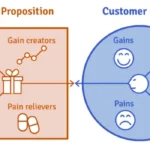
- Value Proposition Innovation
Offering something unique.
👉 Example:
- Faster delivery
- Better experience
- Customization
Real-Life Examples
Let’s understand this with practical examples:
- Food Delivery Transformation
Earlier:
- People visited restaurants
Now:
- Food delivered at home
👉 Innovation:
- Convenience + technology
- Coaching Industry Shift
Earlier:
- Offline tuition classes
Now:
- Online courses, recorded videos
👉 Innovation:
- One teacher → Thousands of students
- Retail Business Change
Earlier:
- Local shops
Now:
- Online marketplaces + home delivery
👉 Innovation:
- Wider reach + better pricing
Types of Business Model Innovation
Here are some popular innovation models you can use:
- Subscription Model
Customers pay monthly or yearly.
👉 Example:
- Membership services
- Learning platforms
- Freemium Model
Basic service free, premium paid.
👉 Helps attract more users.
- Platform Model
Connecting buyers and sellers.
👉 Example:
- Service marketplaces
- Direct-to-Consumer (D2C)
Selling directly to customers without middlemen.
👉 More profit, better control.
- Asset-Light Model
No heavy investment in assets.
👉 Example:
- Dropshipping
- Aggregator businesses
How Business Model Innovation Helps Growth
Now let’s understand why this is so powerful:
- Increases Profit
Better model = better margins.
👉 You can earn more without increasing effort.
- Reduces Competition
When you innovate, you create your own space.
👉 Less price war, more value.
- Improves Customer Experience
New models make life easier for customers.
👉 Happy customers = repeat business.
- Enables Fast Scaling
Innovative models grow faster.
👉 Especially digital businesses.
- Creates Multiple Income Streams
You can earn from:
- Products
- Services
- Subscriptions
- Ads
Practical Example (Very Important)
Let’s say you want to start a business with low investment.
Traditional Approach:
- Open a shop
- Sell products
- Limited customers
Innovative Approach:
- Start Instagram page
- Use dropshipping
- Sell across India
- Add affiliate income
👉 Same effort, but bigger results.
How You Can Apply Business Model Innovation
You don’t need a big company to innovate. Even small changes can make a big difference.
Step 1: Study Your Current Model
Ask:
- How do I earn money?
- Who are my customers?
- How do I deliver value?
Step 2: Identify Problems
Look for:
- Slow process
- High cost
- Customer complaints
Step 3: Explore New Ideas
Think:
- Can I go online?
- Can I reduce cost?
- Can I target new customers?
Step 4: Test Small Changes
Don’t change everything at once.
👉 Start with one improvement.
Step 5: Scale What Works
If something works well:
👉 Expand it.
Common Mistakes to Avoid
❌ Fear of Change
Many people stick to old methods.
❌ Copying Without Understanding
Not every model works for everyone.
❌ Over-Innovation
Too many changes can confuse customers.
❌ Ignoring Customer Needs
Innovation should solve real problems.
Personal Insight (From Experience)
In India, especially for small business owners, the biggest opportunity is not always starting something new — it is doing the same business in a smarter way.
Example Insight
Two people sell vegetables:
Seller A:
- Roadside stall
- Limited customers
Seller B:
- Takes WhatsApp orders
- Provides home delivery
- Offers weekly subscription
👉 Seller B grows faster — not because of a better product, but a better business model.
Why This Matters for You
If your goal is:
- Increase income
- Start a business
- Become financially strong
Then business model innovation is your biggest tool.
Because:
👉 You don’t need big money
👉 You don’t need high education
👉 You just need smart thinking
Final Thoughts
Business Model Innovation is the secret behind modern business success.
In today’s fast-changing world, the winners are not always those who work the hardest — but those who think differently.
Simple Takeaway
👉 Don’t just run a business — improve the way your business works.
Because:
- Small changes can bring big results
- Smart models create long-term success
- Innovation turns ordinary businesses into powerful ones

Shashi Kant is the Founder and Editor of BusinessScroller.com, a leading platform for business insights, finance trends, and industry analysis. With a passion for journalism and expertise in business reporting, he curates well-researched content on market strategies, startups, and corporate success stories. His vision is to provide valuable information that empowers entrepreneurs and professionals. Under his leadership, BusinessScroller.com has grown into a trusted source for in-depth articles, customer care guides, and financial expertise.