
Pro Kabaddi League has become one of India’s most interesting sports-business stories because it turned a traditional game into a prime-time league product. The growth is not accidental. Strong broadcast packaging, city-based teams, young Indian talent, commercial partners, and a simple match format have helped kabaddi reach fans who may not follow the sport outside league season. For regular readers of kabaddi news, the bigger question is no longer whether PKL is popular. The sharper question is how the league keeps converting attention into money.
The answer starts with PKL revenue, which comes from several connected streams rather than one source. Media rights give the league scale. Sponsorship brings brand money. Ticketing creates local engagement. Team merchandise and digital content extend fan connection. Player auctions and franchise identities then keep the conversation alive before the first raid begins.
Where PKL Revenue Comes From
PKL’s commercial model works because kabaddi is short, visual, emotional, and easy to understand. A casual viewer can follow a raid within seconds. A serious fan can read deeper details: bonus lines, do-or-die raids, ankle holds, covers, corners, super tackles, and all-outs. That mix gives broadcasters and sponsors a product with both mass appeal and tactical depth.
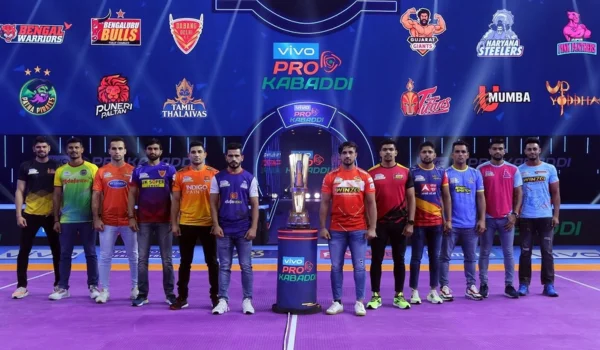
Media rights remain the backbone. Live sport still carries value because fans prefer to watch it in real time. Kabaddi also suits television and mobile screens. The action is compact, the scoring is frequent, and the camera can capture the raider-defender battle clearly. Unlike some slower sports, PKL rarely gives viewers long dead periods.
The league’s main income channels include:
- Media Rights: Broadcast and digital deals create the largest central commercial base.
- Sponsorship: Brands buy visibility across team kits, broadcast slots, mats, awards, and digital campaigns.
- Ticketing: Home legs bring stadium revenue and local fan energy.
- Franchise Partnerships: Teams sign regional and national partners for jerseys, activations, and content.
- Merchandise and Content: Jerseys, clips, interviews, short videos, and behind-the-scenes access keep fans engaged.
The model is strong because each stream supports the next. Better broadcast quality increases fan interest. More fans raise sponsor value. Stronger sponsors give teams better commercial stability. Better teams improve the league product.
Why Sponsors Like the League
A good PKL sponsor is not only buying a logo. It is buying repeated visibility inside a high-energy sporting environment. Kabaddi gives brands short bursts of tension: a lone raider, seven defenders, a shrinking clock, and a crowd waiting for contact. That is useful for recall because fans connect the brand with decisive moments.
Sponsors also like PKL because the league reaches beyond only metro audiences. Kabaddi has cultural strength in states such as Haryana, Maharashtra, Tamil Nadu, Karnataka, Uttar Pradesh, Bihar, Telangana, Punjab, Rajasthan, and West Bengal. A brand that wants both urban and semi-urban visibility gets a broad Indian sports platform.
The league’s sponsor value is helped by player relatability. Many kabaddi athletes come from small towns, farming families, service backgrounds, or local academies. Their stories feel close to the audience. A cricket star may look distant to a village player; a kabaddi raider often feels like someone from the next district.
Sponsorship Works Because the Sport Is Easy to Sell
Kabaddi does not need heavy explanation. One player enters enemy territory and tries to escape after touching defenders. That basic drama is instantly clear. This makes it easier for sponsors to build campaigns around courage, strength, speed, stamina, and teamwork.
The commercial inventory is also flexible. Brands can appear through team jerseys, mat branding, timeout segments, raid-related graphics, player awards, social media reels, and local fan events. That variety keeps sponsor presence from feeling repetitive.
For teams, sponsorship money is essential. It helps cover player salaries, training operations, travel, medical support, marketing, fan engagement, and youth scouting. A strong sponsor base therefore improves more than visibility. It supports the professional structure around the players.
Points Table Pressure Keeps Fans Watching
The PKL points table is one of the league’s strongest engagement tools because it makes every match feel connected to the season story. Fans do not only watch their favourite team; they watch qualification pressure, score difference, form, and playoff paths. A single win can change the mood of a franchise. A poor run can turn a strong squad into a nervous one.
The official league standings use a simple points logic: wins matter, and the playoff structure rewards teams that stay consistent. The top four sides get a stronger route, while the next group must survive play-in pressure. That design keeps the middle of the table alive for longer.
This matters commercially. A league where half the teams lose relevance early becomes harder to sell. PKL avoids that problem because the playoff chase usually creates late-season tension. Fans keep checking form, point difference, and upcoming fixtures.
Good table design also creates debate. Supporters argue about whether a team is genuinely strong or only lucky. Analysts compare raiding depth, tackle success, super-tackle efficiency, and do-or-die performance. Content teams get daily angles. Broadcasters get sharper previews. The league benefits because the standings become a story engine.
Teams, Cities, and Fan Identity
PKL’s twelve-team structure gives the league a national map. The franchises represent different regions, fan cultures, and playing identities. Bengal Warriorz, Bengaluru Bulls, Dabang Delhi K.C., Gujarat Giants, Haryana Steelers, Jaipur Pink Panthers, Patna Pirates, Puneri Paltan, Tamil Thalaivas, Telugu Titans, U Mumba, and UP Yoddhas give fans clear colours to follow.
City identity is important because kabaddi needs emotional anchors. A league cannot grow only through neutral viewers. It needs fans who feel ownership. A Bengaluru supporter wants the Bulls to win because the jersey feels local. A Patna fan carries pride because the Pirates have a historic title identity. A Jaipur supporter brings memory from earlier championship runs.
Why Local Support Matters
Local support gives PKL a stronger base than one-off tournaments. A fan can attend a home leg, follow players online, buy team merchandise, and argue about the next fixture. That relationship makes the league sticky.
The best teams build identity through several details:
- Clear Playing Style: Fans remember whether a side is raid-heavy, defence-first, or balanced.
- Recognisable Players: A strong lead raider or captain gives supporters a face to follow.
- Home-Leg Energy: Local crowds create sound, colour, and pressure.
- Youth Connection: Academies and local tournaments help teams look rooted in the region.
This is why PKL growth is not only a television story. It is also a city story. When a franchise feels connected to its market, sponsors get local relevance and fans get emotional reasons to return.
India’s Kabaddi Strength Adds Credibility
The India national kabaddi team gives PKL a powerful credibility layer. India have long been one of the strongest countries in the sport, and the men’s team won Asian Games gold in 2023 after beating Iran 33-29 in the final. That kind of international success helps the league because fans see a connection between domestic stars and national pride.
PKL has also become a talent pipeline. Young players who perform in the league can move into wider selection conversations. Experienced players sharpen their skills against top raiders and defenders from India and abroad. The league therefore works as both entertainment and development system.
This link is crucial. If a league only entertains but does not improve the sport, its growth can feel shallow. PKL feels stronger because it has raised player fitness, tactical awareness, defensive timing, and public recognition. The game has become more professional without losing its raw contact appeal.
International players also add value. Iranian defenders, overseas all-rounders, and emerging foreign players bring different styles. This helps Indian players adapt and gives fans fresh matchups. A raider facing a powerful Iranian corner creates a different tactical story from an all-Indian defensive unit.
Why PKL Is Growing in India
PKL is growing because it solves a rare sports-market problem: it feels modern without feeling imported. The league has lights, graphics, commentary, auctions, sponsors, and analytics, but the sport itself remains deeply Indian. That combination works. Fans get a polished product built around a game they recognise.
The match length also helps. PKL fits evening viewing better than many long-format sports. A fan can watch a full match without giving up the whole night. Families can follow the score easily. Children can understand the action. Serious fans still get enough tactical detail to stay invested.
Another reason is player accessibility. Kabaddi players often look physically impressive but socially relatable. They are not wrapped in untouchable glamour. Their stories of village grounds, police jobs, farming families, sports hostels, and state tournaments feel familiar to many Indian households.
The league’s rise is also supported by better presentation. Commentary explains tactics. Replays show ankle holds and escapes clearly. Graphics make raid counts and tackle points easier to follow. Digital clips help new fans enter through highlights before becoming regular viewers.
What Could Shape the Next Revenue Jump
The next stage of PKL growth will depend on depth. The league already has visibility. Now it needs stronger year-round engagement. Fans should not disappear between seasons. Teams can help by creating training content, player stories, academy updates, local fan events, and tactical explainers.
More women’s kabaddi visibility would also expand the sport’s reach. India has strong women kabaddi athletes, and a more structured professional pathway could create a new audience layer. The men’s league has shown that kabaddi can be packaged well. A stronger women’s ecosystem would widen the sport’s base.
International expansion is another opportunity. Kabaddi has roots beyond India, especially in Iran, South Korea, Bangladesh, and parts of South Asia. PKL can use overseas players, exhibition events, and digital distribution to build wider recognition. The sport is simple enough to explain globally if presented well.
Final Read on the Business Model
Pro Kabaddi League makes money because it packages a familiar Indian sport in a professional league format. The revenue logic is clear: media rights create scale, sponsors buy attention, franchises build identity, fans create atmosphere, and players provide the intensity that holds everything together.
The growth story is strong because the product still feels authentic. Kabaddi has not been polished into something unrecognisable. A raid is still a raid. A tackle is still a tackle. The mat still rewards nerve, timing, strength, and courage.
The league’s future will depend on keeping that balance. Too much commercial shine without sporting depth would weaken trust. Too much tradition without innovation would slow growth. PKL works because it stands between both. It is old India and new India on the same mat, and that is exactly why it keeps pulling more fans in.

Shashi Kant is the Founder and Editor of BusinessScroller.com, a leading platform for business insights, finance trends, and industry analysis. With a passion for journalism and expertise in business reporting, he curates well-researched content on market strategies, startups, and corporate success stories. His vision is to provide valuable information that empowers entrepreneurs and professionals. Under his leadership, BusinessScroller.com has grown into a trusted source for in-depth articles, customer care guides, and financial expertise.