
Off-grid solar systems provide an independent source of electricity for homes, businesses, and locations with limited grid access. Reliable performance depends on every part of the system working as intended.
A solar off-grid inverter manages the conversion of solar and battery power into usable electricity for connected appliances. Changes in its performance can affect the availability and consistency of power. Understanding what unusual behaviour may indicate can help users respond appropriately and avoid unnecessary interruptions. Let’s explore the warning signs that deserve attention and the practical steps that can help address common challenges.
Red Flags That May Indicate an Inverter Problem
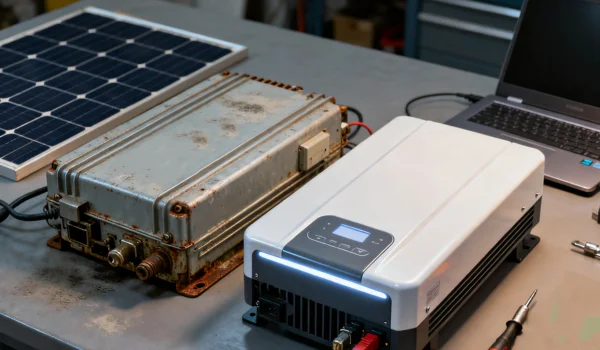
Some problems become visible through changes in power output, system behaviour, or operating conditions. Recognising these signs early can help prevent a minor issue from affecting the wider solar setup.
1. Sudden Power Loss
Unexpected power loss can indicate an issue involving the inverter, battery, solar input, or electrical connections. Check the display for warning messages or fault codes before attempting any restart.
If the solar off-grid inverter does not resume normal operation, avoid repeated resets. Persistent power loss may require assessment by a qualified technician.
2. Frequent Shutdowns or Tripping
Repeated shutdowns can occur when an inverter detects conditions outside its normal operating range. Excessive loads, overheating, abnormal voltage, or system faults can contribute to frequent interruptions.
If the solar off-grid inverter continues shutting down during normal use, check the connected load and system indicators. Recurring shutdowns should receive professional attention.
3. Unusual Sounds or Burning Smells
Unusual buzzing, clicking, crackling, or other sounds can signal an electrical or component-related problem. Burning smells, melted insulation, or visible heat damage require immediate attention.
Switch off the system using the recommended procedure and seek professional assistance. Do not open the inverter to inspect internal components yourself.
4. Low or Irregular Power Output
Reduced output can affect appliances and indicate problems with solar generation, battery capacity, wiring, or inverter operation. Compare current performance with the system’s usual output to identify significant changes.
A solar off-grid inverter may also reduce its output when operating conditions become unsuitable. Checking the display and accessible system connections can help establish where further investigation is needed.
5. Overheating
High operating temperatures can cause an inverter to reduce output or shut down temporarily as a protective measure. Blocked vents, poor airflow, direct heat exposure, and excessive loads can contribute to the problem.
Keep the area around the solar off-grid inverter clear and allow adequate ventilation. Continued overheating requires professional assessment.
6. Persistent Error Codes
Fault codes provide useful information about abnormal operating conditions. Instead of repeatedly restarting the system, check the manufacturer’s instructions for the displayed code.
Recording recurring codes can also help a technician identify the underlying problem more efficiently.
How to Fix Common Off-grid Inverter Challenges
Safe external checks can help identify simple causes of unusual behaviour. However, electrical components inside an inverter should only be handled by qualified professionals.
1. Inspect External Connections
Look at accessible cables, battery terminals, and external connections for looseness, corrosion, visible damage, or signs of overheating. Secure connections can support stable operation and reduce avoidable electrical losses.
Do not touch exposed conductors or damaged wiring. Arrange professional assistance when a connection appears unsafe.
2. Check the Solar Input
Insufficient sunlight, shading, dirt, damaged cables, or connection problems can reduce the energy reaching the inverter. Check accessible parts of the solar installation and review the displayed solar input.
If the solar off-grid inverter consistently receives less solar energy than expected under suitable conditions, further system inspection may be necessary.
3. Review Battery Condition
Battery performance directly affects the energy available in an off-grid system. Check the battery’s charge level, displayed warnings, and accessible connections.
A battery that repeatedly reaches a low charge level may indicate insufficient solar charging, increased energy consumption, battery degradation, or another system issue.
4. Check the Connected Load
Operating several high-demand appliances together can place excessive demand on an inverter. Switch off non-essential appliances and observe whether system performance improves.
Check the rated capacity of the solar off-grid inverter before reconnecting high-power equipment. Avoid repeatedly operating loads beyond the system’s intended capacity.
5. Keep Cooling Areas Clear
Dust and objects around ventilation openings can restrict airflow and contribute to higher operating temperatures. Keep the surrounding area clear and clean accessible vents according to the manufacturer’s instructions.
Adequate airflow helps the solar off-grid inverter maintain suitable operating temperatures during periods of high demand.
6. Review System Indicators
The inverter display or monitoring system can provide information about battery levels, solar input, loads, warnings, and fault conditions. Review these indicators before making changes to the system.
7. Follow the Correct Reset Procedure
A controlled restart can sometimes resolve a temporary operating issue. Follow the manufacturer’s shutdown and restart sequence instead of switching components on and off randomly.
If the same fault returns after restarting the solar off-grid inverter, treat it as a recurring issue rather than repeatedly resetting the system.
For recurring problems, record the displayed information and operating conditions. These details can help a technician diagnose the issue more efficiently.
Choose Reliable Support for Off-Grid Solar
Reliable off-grid power requires suitable equipment, correct system sizing, and timely attention to unusual performance. Recognising warning signs can help households and businesses respond safely when their system behaves differently.
For households and businesses exploring off-grid power, trusted providers such as Eastman Auto & Power Limited offer solutions suited to different energy requirements. Connect with the experts to discuss your power needs and plan an appropriate off-grid solar setup.

Shashi Kant is the Founder and Editor of BusinessScroller.com, a leading platform for business insights, finance trends, and industry analysis. With a passion for journalism and expertise in business reporting, he curates well-researched content on market strategies, startups, and corporate success stories. His vision is to provide valuable information that empowers entrepreneurs and professionals. Under his leadership, BusinessScroller.com has grown into a trusted source for in-depth articles, customer care guides, and financial expertise.