
When we talk about the world’s most successful companies, one name that always comes up is Amazon. From buying a ₹100 phone cover to ordering a ₹1 lakh laptop, people trust Amazon for almost everything.
But have you ever wondered:
👉 How does Amazon actually work?
👉 What is its business model?
The truth is, Amazon does not rely on just one model. It uses a combination of multiple business models — and that’s the real secret behind its massive success.
Let’s break it down in a simple and practical way, especially for Indian readers and aspiring entrepreneurs.
What is Amazon’s Business Model?
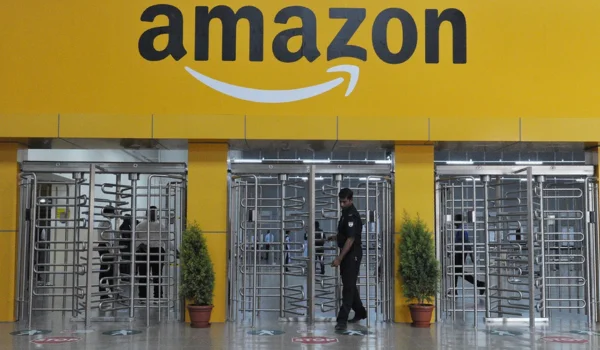
Amazon mainly works on a multi-sided platform (marketplace) business model, supported by several additional revenue streams.
👉 In simple words:
Amazon connects buyers and sellers and earns money through commissions, services, and its own products.
Core Business Model of Amazon
- Marketplace Model (Main Model)
This is the backbone of Amazon.
👉 What happens here?
- Sellers list their products on Amazon
- Customers buy those products
- Amazon earns a commission on each sale
Example:
- A seller lists a mobile cover for ₹200
- Customer buys it
- Amazon takes 10–20% commission
👉 Seller earns money
👉 Amazon earns money
👉 Customer gets product
This is called a win-win model.
Why Marketplace Model is Powerful
- Amazon doesn’t need to own all products
- Millions of sellers bring variety
- Low inventory risk
👉 This makes the business scalable and low-risk.
- Inventory-Based Model
Amazon also sells products directly.
👉 In this model:
- Amazon buys products from manufacturers
- Stores them in warehouses
- Sells directly to customers
Example:
- Electronics
- Amazon-owned brands
👉 Here, Amazon earns full profit (not just commission).
- Subscription Model (Amazon Prime)
One of Amazon’s smartest moves is subscription-based income.
👉 Customers pay for Amazon Prime and get:
- Free fast delivery
- Access to movies and shows
- Exclusive deals
Why this works:
- Regular income for Amazon
- Customer loyalty increases
👉 People prefer Amazon over others because of Prime benefits.
- Advertising Model
Amazon also earns from ads.
👉 Sellers pay Amazon to:
- Show their products on top
- Increase visibility
Example:
When you search for a product, you see:
👉 “Sponsored” items
These are paid ads.
👉 Amazon earns huge money from advertising.
- Cloud Computing Model (AWS)
One of the biggest revenue sources is:
👉 Amazon Web Services (AWS)
What is AWS?
It provides:
- Cloud storage
- Servers
- IT services
Who uses AWS?
- Startups
- Big companies
- Websites
👉 This is a B2B (business-to-business) model.
And interestingly, AWS contributes a large portion of Amazon’s profits.
- Affiliate Marketing Model
Amazon also uses affiliate marketing.
👉 How it works:
- People promote Amazon products
- They share links
- They earn commission on sales
Example:
- Blogger shares product link
- User clicks and buys
- Blogger earns commission
👉 Amazon gets more customers without spending much on marketing.
- Logistics & Fulfillment Model
Amazon has built its own delivery system.
👉 Services include:
- Warehousing
- Packaging
- Delivery
Fulfillment by Amazon (FBA)
- Sellers send products to Amazon warehouse
- Amazon handles everything
👉 Sellers pay fees for this service.
How Amazon Combines All These Models
This is where Amazon becomes powerful.
👉 It doesn’t depend on just one income source.
Instead, it earns from:
- Product sales
- Seller commissions
- Subscriptions
- Advertising
- Cloud services
- Logistics
Simple Understanding
👉 Amazon is not just an e-commerce company.
👉 It is a technology + logistics + platform + service company.
How Amazon Makes Money (Revenue Streams)
Let’s simplify:
| Revenue Source | How Amazon Earns |
| Marketplace | Commission from sellers |
| Inventory sales | Profit margin |
| Amazon Prime | Subscription fees |
| Advertising | Paid promotions |
| AWS | Cloud services fees |
| FBA | Logistics charges |
Why Amazon’s Business Model is So Successful
- Customer-Centric Approach
Amazon focuses heavily on:
- Fast delivery
- Easy returns
- Good experience
👉 This builds trust.
- Multiple Income Sources
Even if one segment slows down:
👉 Others keep earning.
- Scalability
- More sellers = more products
- More customers = more sales
👉 Growth becomes automatic.
- Technology Use
Amazon uses:
- Data analytics
- AI recommendations
- Smart logistics
👉 This improves efficiency.
- Strong Ecosystem
Amazon has created a full ecosystem:
- Shopping
- Entertainment
- Cloud services
👉 Customers stay connected.
Lessons You Can Learn from Amazon
Even if you are starting small, you can apply these ideas:
- Don’t Depend on One Income Source
👉 Add multiple income streams.
- Focus on Customer Experience
👉 Fast service = more repeat customers.
- Use Technology
👉 Even WhatsApp or social media can improve business.
- Build a System
👉 Processes help in scaling.
- Think Long-Term
Amazon didn’t become big overnight.
👉 It focused on growth over quick profit.
Practical Example for You
Let’s say you want to start a small online business.
Instead of just selling products:
👉 You can combine models:
- Sell products (like marketplace seller)
- Use affiliate marketing
- Offer digital products
- Build a YouTube channel
👉 This is how you create a mini-Amazon strategy.
Common Misconceptions About Amazon
❌ Amazon only sells products
👉 Wrong — it earns from many services.
❌ It needs huge investment
👉 Not always — sellers can start small.
❌ Only big brands succeed
👉 Many small sellers earn well.
Final Thoughts
Amazon’s success is not because of one idea — it is because of a powerful combination of business models.
👉 Marketplace + Subscription + Advertising + Cloud + Logistics
This combination makes it:
- Strong
- Scalable
- Profitable
Simple Takeaway
👉 Amazon works on a multi-business model strategy, not just one model.
And that is the biggest lesson for anyone who wants to grow in today’s competitive market.
Conclusion
If you truly want to succeed in business:
👉 Don’t think like a small shop owner
👉 Think like a system builder
Amazon teaches us that:
- Smart models beat hard work alone
- Multiple income streams create stability
- Customer experience drives growth

Shashi Kant is the Founder and Editor of BusinessScroller.com, a leading platform for business insights, finance trends, and industry analysis. With a passion for journalism and expertise in business reporting, he curates well-researched content on market strategies, startups, and corporate success stories. His vision is to provide valuable information that empowers entrepreneurs and professionals. Under his leadership, BusinessScroller.com has grown into a trusted source for in-depth articles, customer care guides, and financial expertise.