
If you are planning to start a low-risk, stable, and long-term business in India, the education sector—especially preschool franchises—is one of the most promising options. Among the top brands, Little Millennium has emerged as one of the fastest-growing preschool chains in India.
But before investing, you must understand:
👉 How much investment is required?
👉 What is the ROI?
👉 Is it really profitable?
Let’s break everything in a practical, easy-to-understand way.
About Little Millennium
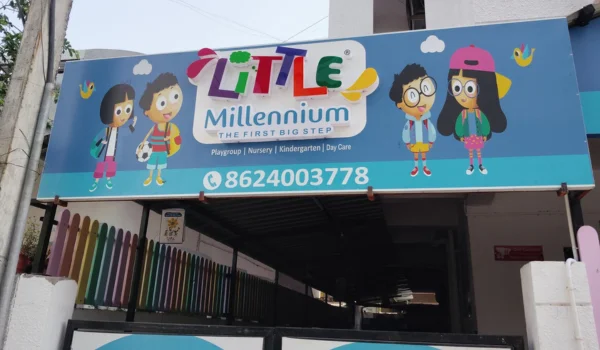
Little Millennium is a leading preschool chain in India, launched in 2008. It has grown rapidly with 750+ to 900+ centres across 150–200 cities, serving lakhs of families.
The brand is known for:
- Scientifically designed curriculum
- Child-centric teaching approach
- Strong franchise support system
👉 The preschool industry itself is booming, driven by increasing awareness of early education and rising dual-income families.
Little Millennium Franchise Cost in India
The investment depends on the size, city, and infrastructure.
💰 Investment Breakdown Table
| Cost Component | Estimated Cost (INR) |
| Franchise Fee | ₹3 – ₹4.1 lakh |
| Infrastructure & Interiors | ₹5 – ₹10 lakh |
| Furniture & Learning Materials | ₹2 – ₹5 lakh |
| Initial Marketing | ₹25,000 – ₹50,000 |
| Working Capital | ₹2 – ₹5 lakh |
| Total Investment | ₹10 lakh – ₹20 lakh+ |
👉 According to franchise data, the total investment typically ranges between ₹10 lakh and ₹20 lakh, depending on the centre size.
👉 In some cases (metro cities), it may go up to ₹30–45 lakh for premium setups.
Space & Infrastructure Requirements
Preschool businesses require proper space and safety compliance.
📍 Requirements Table
| Requirement | Details |
| Area | 2000 – 3000 sq. ft. |
| Location | Residential area with families |
| Setup Type | Independent building / ground floor |
| Outdoor Area | Preferred (play zone) |
👉 The brand recommends around 2400–3000 sq. ft. space for smooth operations.
Franchise Model Explained
Little Millennium follows a FOFO (Franchise Owned, Franchise Operated) model.
How it works:
- You invest and run the preschool
- The company provides:
- Curriculum & academic support
- Teacher training
- Marketing assistance
- Setup guidance
👉 You also get exclusive territory rights, which means limited competition within your area.
Profit Margin & ROI (Return on Investment)
Now let’s talk about the most important part — profitability 💸
📊 ROI Table
| Parameter | Value |
| Expected ROI | 30% – 40% annually |
| Payback Period | 2 – 3 years |
| Break-even | 12 – 24 months |
| Royalty | ~15% |
👉 The brand claims ROI of around 30–40%, depending on performance and location.
Example Revenue Model
- Average fee per child: ₹2,500 – ₹4,000/month
- Students: 80–120
- Monthly revenue: ₹2–4 lakh
👉 After expenses, a well-performing preschool can generate steady monthly income.
Why Preschool Franchises Are Profitable
The education sector is different from food or retail.
👉 Key reasons:
- Consistent demand (every year new admissions)
- Recession-proof industry
- Recurring revenue model (monthly fees)
- Growing awareness of early childhood education
👉 India has millions of children aged 2–6, but structured preschool penetration is still low—creating huge opportunity.
Eligibility Criteria
You don’t need a technical degree, but certain qualities are required.
✔ Basic Requirements:
- Investment capacity (₹10–25 lakh)
- Interest in education sector
- Management & communication skills
- Passion for working with children
✔ Legal Requirements:
- GST Registration
- Local authority approvals
- Fire safety & building compliance
- Education-related permissions
✔ Documents Required:
- Aadhaar & PAN
- Address proof
- Bank statements
- Property documents / rent agreement
Steps to Apply for Little Millennium Franchise
The process is structured and beginner-friendly.
📝 Step-by-Step Guide
- Visit the official website
- Fill franchise enquiry form
- Get a call from the franchise team
- Discuss location & budget
- Site inspection & approval
- Agreement signing (usually 5 years)
- Setup & training
- Launch your preschool
👉 The company provides end-to-end support, including teacher training and marketing.
Franchise Support & Benefits
Little Millennium offers strong support to franchise partners:
✔ Curriculum & teaching materials
✔ Teacher recruitment & training
✔ Marketing campaigns
✔ Software & ERP systems
✔ Regular audits & quality checks
👉 This makes it ideal for first-time entrepreneurs.
Advantages of Little Millennium Franchise
✅ Trusted and growing brand
✅ High demand for preschool education
✅ Recurring income model
✅ Strong franchise support
✅ Exclusive territory rights
Disadvantages / Risks
❌ High initial setup cost compared to small businesses
❌ Requires full-time involvement
❌ Staff management (teachers) can be challenging
❌ ROI depends heavily on admissions
Real Business Insight (Very Important)
Here’s a truth many people ignore:
Preschool business success depends more on location + trust + quality than brand name.
Even with a strong brand:
- Poor teaching quality = parents leave
- Bad infrastructure = low admissions
👉 Also, according to real discussions:
“ROI depends more on location, fee structure, and management than just the brand.”
Final Verdict: Should You Invest?
👍 YES, if:
- You have ₹10–25 lakh budget
- You want a stable, long-term business
- You are ready for active involvement
⚠️ BE CAREFUL, if:
- You want passive income
- You don’t have a good residential location
- You expect quick profits
Conclusion
Little Millennium franchise is one of the best preschool business opportunities in India. With an investment starting from ₹10 lakh, it offers:
- Strong brand recognition
- Recurring income model
- Long-term growth potential
However, your success will depend on:
👉 Location
👉 Quality of education
👉 Parent satisfaction
FAQs
- What is Little Millennium franchise cost in India?
₹10 lakh to ₹20 lakh (can go higher in metro cities).
- What is the ROI?
Around 30%–40% annually.
- What is the break-even period?
Usually 1–3 years.
- Is it a good business?
Yes, especially for long-term, stable income.

Shashi Kant is the Founder and Editor of BusinessScroller.com, a leading platform for business insights, finance trends, and industry analysis. With a passion for journalism and expertise in business reporting, he curates well-researched content on market strategies, startups, and corporate success stories. His vision is to provide valuable information that empowers entrepreneurs and professionals. Under his leadership, BusinessScroller.com has grown into a trusted source for in-depth articles, customer care guides, and financial expertise.