
In today’s fast-paced lifestyle, especially in cities across India, ordering food online has become a daily habit. Whether it’s late-night cravings or weekend treats, people prefer convenience over cooking or going out.
One company that has completely transformed how Indians eat is Zomato.
But have you ever wondered:
👉 How does Zomato actually work?
👉 How does it make money while delivering food to your doorstep?
Let’s break down the Zomato business model in a simple, practical, and engaging way.
What is Zomato?
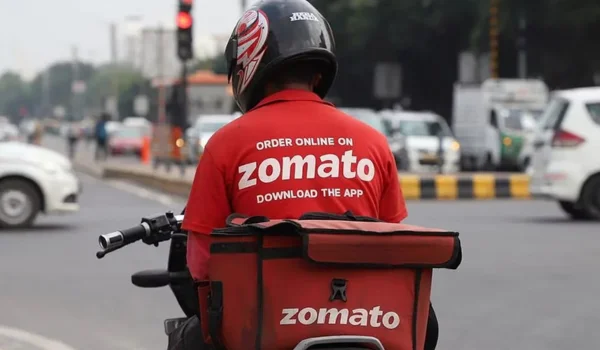
Zomato started as a restaurant discovery platform and gradually evolved into a full-fledged food delivery and dining ecosystem.
Today, it allows users to:
- Search for restaurants
- Read reviews and ratings
- Order food online
- Book tables
- Access exclusive deals
👉 In simple words, Zomato connects customers, restaurants, and delivery partners on one platform.
Zomato Business Model Overview
Zomato works on a combination of:
👉 Aggregator Model + Marketplace Model + Service-Based Model
What does this mean?
- It does not cook food
- It does not own restaurants
- It acts as a middle platform
👉 It earns by facilitating transactions between users and restaurants.
How Zomato Works (Step-by-Step)
Let’s understand the process:
- Customer opens Zomato app
- Selects a restaurant
- Places an order
- Restaurant prepares the food
- Delivery partner picks it up
- Food is delivered to the customer
👉 Zomato manages the entire process digitally.
How Zomato Earns Money
Zomato has built multiple revenue streams, which makes its business strong and scalable.
- Commission from Restaurants (Main Revenue Source)
This is Zomato’s biggest income source.
👉 Zomato charges restaurants a commission on every order
Example:
- Order value: ₹500
- Commission: 15%–30%
- Zomato earns: ₹75–₹150
👉 Restaurants agree because Zomato brings them customers.
- Delivery Charges
Customers pay delivery fees while ordering.
👉 Delivery charges depend on:
- Distance
- Order value
- Peak time demand
👉 This helps Zomato cover logistics costs.
- Zomato Gold / Zomato Pro (Subscription Model)
Zomato offers paid memberships.
👉 Benefits include:
- Free delivery
- Extra discounts
- Special offers
👉 Customers pay monthly or yearly fees.
👉 This creates regular recurring income.
- Advertising & Promotions
Restaurants pay Zomato to increase visibility.
👉 Types of ads:
- Sponsored listings
- Banner promotions
- Priority ranking
👉 Example:
When you search for food, top results are often paid promotions.
- Dining-Out Services
Zomato also earns from:
- Table reservations
- Dining deals
- Restaurant partnerships
👉 This adds another revenue stream beyond delivery.
- Event Partnerships & Collaborations
Zomato partners with:
- Food festivals
- Brands
- Events
👉 It earns through promotions and sponsorships.
- Hyperpure (B2B Supply Model)
Zomato also supplies raw materials to restaurants.
👉 This includes:
- Vegetables
- Groceries
- Kitchen essentials
👉 It earns margin on these supplies.
Why Zomato’s Business Model is So Powerful
- Asset-Light Model
Zomato doesn’t own:
- Restaurants
- Kitchens (in most cases)
👉 This reduces heavy investment.
- Network Effect
- More restaurants → more choices
- More customers → more orders
👉 This creates continuous growth.
- Multiple Revenue Streams
Zomato doesn’t depend on one source.
👉 It earns from:
- Commission
- Delivery
- Ads
- Subscription
- B2B supply
- Strong Technology Backbone
Zomato uses:
- AI-based recommendations
- Data analytics
- Smart routing
👉 This improves efficiency.
- Customer-Centric Approach
Zomato focuses on:
- Fast delivery
- Easy refunds
- Good user experience
👉 This builds customer loyalty.
Challenges in Zomato’s Business Model
No business is perfect. Zomato also faces challenges:
❌ High Delivery Costs
Maintaining delivery network is expensive.
❌ Thin Profit Margins
Discounts and offers reduce profits.
❌ Competition
Strong competitors in food delivery space.
❌ Customer Expectations
People expect fast delivery at low cost.
Real-Life Insight (Important for You)
Zomato’s success teaches an important lesson:
👉 You don’t always need to create a product
👉 You can create a platform that connects people
Example for Small Business
Instead of opening a restaurant, you can:
- Connect home chefs with customers
- Take orders via WhatsApp
- Charge commission
👉 This is a small version of Zomato’s model.
How Zomato Grew in India
Zomato succeeded because it understood Indian customers:
- Love for food
- Need for convenience
- Busy lifestyle
👉 It solved a real problem:
“What to eat and how to get it quickly?”
Lessons You Can Learn from Zomato
- Solve Real Problems
Focus on what people need daily.
- Build Multiple Income Sources
Don’t depend on one revenue stream.
- Use Technology
Even small tools can improve business.
- Focus on Customer Experience
Happy customers bring repeat business.
- Start Small, Scale Big
Zomato started small and expanded step by step.
Future of Zomato Business Model
Zomato is continuously evolving:
- Expanding into quick commerce
- Improving delivery speed
- Enhancing customer experience
👉 This shows that innovation is necessary for survival.
Final Thoughts
The business model of Zomato is a perfect example of how modern businesses operate.
It combines:
- Technology
- Logistics
- Platform-based services
Simple Takeaway
👉 Zomato earns money by connecting customers and restaurants and charging commissions, delivery fees, ads, and subscriptions.
Conclusion
In today’s digital India, success is not just about selling products — it’s about creating systems that make life easier.
Zomato did exactly that.
👉 If you understand this model, you can apply similar ideas in your own way — even with low investment.

Shashi Kant is the Founder and Editor of BusinessScroller.com, a leading platform for business insights, finance trends, and industry analysis. With a passion for journalism and expertise in business reporting, he curates well-researched content on market strategies, startups, and corporate success stories. His vision is to provide valuable information that empowers entrepreneurs and professionals. Under his leadership, BusinessScroller.com has grown into a trusted source for in-depth articles, customer care guides, and financial expertise.