
A shopping list may look like a simple collection of items, but it can function as a boundary between your plans and the pressure of the store. Retail environments are designed to hold your attention, encourage exploration, and make additional purchases feel natural. A written list gives you a different objective. You are no longer wandering through a building full of possibilities. You are completing a defined mission.
This habit can be especially useful when you are rebuilding your finances, reducing unnecessary purchases, or researching options such as debt relief in Arizona. A list will not solve every financial challenge, but it can protect the money that remains available for food, household needs, debt payments, savings, and other priorities. Every avoided impulse purchase helps keep your spending connected to the larger plan.
Creating a list is only the first step. The real skill is building one that reflects what you genuinely need, then following it when promotions, attractive displays, and emotional triggers compete for your attention. Once the process becomes routine, shopping can feel less like a test of willpower and more like a task you already decided how to complete.
Understand What the List Is Really Doing
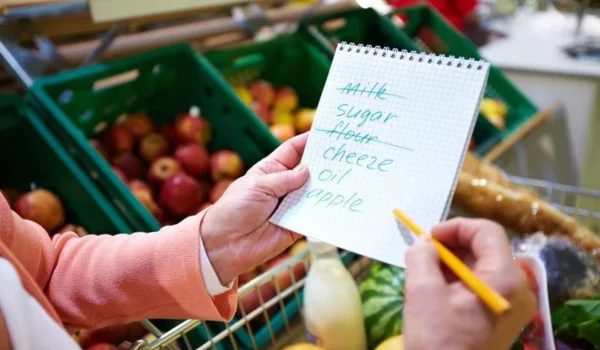
A shopping list is a form of advance decision making.
When you write the list at home, you are usually calmer and less distracted than you will be inside a store. You can check what you already own, review your budget, plan meals, and think about upcoming needs. These conditions support practical choices.
Inside the store, the environment changes. Music, lighting, product placement, samples, signs, smells, and limited time offers can affect your attention. You may also be hungry, tired, rushed, or frustrated. Those conditions make immediate rewards more attractive.
The list carries your earlier decisions into that more complicated environment. It reminds you what your calm, prepared self intended to purchase.
Instead of viewing the list as a restriction, think of it as a message from the version of you who already considered the consequences. Following it means trusting your earlier judgment rather than asking yourself to make every decision again.
Begin With an Inventory
The most effective shopping list begins before you think about buying anything.
Check your pantry, refrigerator, freezer, bathroom cabinets, cleaning supplies, and other storage areas. Look behind larger containers and inspect shelves that are easy to forget. You may already have enough pasta, soap, paper products, or frozen vegetables to last another week.
An inventory prevents duplicate purchases. It also helps you use items before they expire or become damaged. Buying another package because you forgot what was at home wastes money and storage space.
Keep a running list in a convenient location. A notepad on the refrigerator, a shared phone note, or a simple application can work well. Add an item when you notice it is running low instead of trying to remember everything on shopping day.
For household members, establish one shared system. Multiple private lists can lead to forgotten items or duplicate purchases. Everyone should know where to record a need.
Plan Purchases Around Real Life
A list should reflect the week you are actually going to have, not an imaginary week in which you cook elaborate meals every night and never change your schedule.
Review your calendar before planning groceries. Consider work hours, school activities, appointments, travel, social plans, and evenings when you will have limited energy. Choose meals that fit the available time.
A complicated dinner may be realistic on a quiet weekend but not after a long workday. Include quick options for busy evenings so convenience does not automatically become an expensive restaurant order or delivery purchase.
The Utah State University Extension guide to shopping while reducing food waste recommends making a grocery list based on a weekly meal plan and avoiding shopping while hungry. Connecting the list to planned meals gives each ingredient a purpose.
Leave some flexibility. You do not need to plan every bite. A few adaptable ingredients can be used in several meals, allowing you to respond when plans change.
Give Every Item a Reason
Before placing something on the list, ask what purpose it will serve.
For groceries, identify the meal, snack, or household need connected to the item. For clothing, decide what gap it fills in your wardrobe. For home goods, know where the item will be used and whether you already own something that performs the same function.
This question protects the list from becoming a collection of passing desires. An item can appear on a list and still be an impulse purchase if it was added without thought.
You can create separate categories for needs and possible purchases. Needs are items you expect to buy during the current trip. Possible purchases require more information, a price comparison, or additional time.
Keeping these categories separate allows you to record an idea without treating it as an immediate instruction. You acknowledge the desire while giving yourself space to evaluate it later.
Organize the List by Store Section
A disorganized list can cause you to walk through the same aisles several times. The longer you remain in the store, the more opportunities you have to notice and purchase unplanned products.
Arrange items according to the store layout. Common categories include produce, bakery, meat, dairy, frozen food, pantry goods, household supplies, and personal care.
This approach makes the trip faster and reduces mental effort. You can focus on one area at a time instead of repeatedly scanning the full list.
When visiting several stores, divide the list by location. Avoid driving to an extra store for a tiny discount unless the savings justify the additional fuel, time, and temptation.
A well organized list also makes it easier to notice whether one section contains more items than your budget can support. You can adjust the plan before reaching the checkout.
Set a Spending Limit Before You Shop
A list answers what you plan to buy. A spending limit answers how much you can afford to spend.
Estimate prices as you create the list. You do not need perfect accuracy, but the total should be realistic. Use recent receipts, store applications, advertisements, or online prices when helpful.
When the estimate exceeds the budget, make changes at home. Replace an expensive meal, delay a nonessential household purchase, or use ingredients you already own. These decisions are easier before products are in your cart.
Include a small amount for price changes or an essential item you forgot to list. This buffer should not become permission for random spending. It simply prevents a minor difference from disrupting the entire plan.
The University of Minnesota Extension’s advice on stretching a grocery budget recommends planning meals, listing needed items, and considering lower cost store brands. These steps work best when they are connected to a clear spending target.
Do Not Shop Hungry, Angry, or Exhausted
Physical and emotional conditions influence purchasing decisions.
Shopping while hungry can make every snack and prepared meal seem more appealing. Shopping while tired may cause you to choose expensive convenience products because comparing options feels like too much work. Stress or frustration can encourage comfort purchases that were never part of the plan.
Whenever possible, eat before grocery shopping and choose a time when you are not rushing. Bring water and avoid turning the trip into the final task of an exhausting day.
You will not always be able to shop under ideal conditions. When you must shop while tired or stressed, shorten the trip. Use a smaller store, place an online pickup order, or purchase only the most urgent items.
Recognizing your condition is not an excuse for overspending. It is useful information that helps you choose a safer shopping method.
Expect Retailers to Compete for Your Attention
Stores place products carefully.
Popular essentials may be located farther inside the building, requiring you to pass many other items. Small treats appear near checkout, where customers wait with fewer distractions. Premium products may be positioned at eye level, while less expensive alternatives sit higher or lower.
Sales signs can also create urgency. A product marked as limited, special, or discounted may seem valuable even when you did not need it.
A sale saves money only when the item was already useful, fits the budget, and will be consumed or used. Buying something unnecessary at a lower price is still spending.
When an unlisted product catches your attention, pause. Ask whether you would have wanted it before entering the store. Consider what planned purchase you are willing to remove to make room for it.
This tradeoff makes the cost more visible. The question is no longer whether the item looks appealing. It is whether it deserves priority over something you already chose.
Create a Rule for Unlisted Items
A clear rule removes the need to debate every temptation.
You might decide that unlisted items cannot be purchased during the current trip. Instead, they go on a future consideration list. If the item still seems useful after several days, you can research it and include it in another planned purchase.
For groceries, allow exceptions for genuine needs, meaningful substitutions, or unusually good prices on items you regularly use. Define those exceptions before shopping.
Another option is the one item rule. You may choose one affordable unlisted item as long as the total remains within budget. This can make the system feel flexible without allowing the entire list to collapse.
The best rule is one you can follow consistently. A standard that is too strict may lead to frustration, while a rule with endless exceptions provides no real protection.
Be Careful With Bulk Purchases
Large packages often have a lower cost per unit, but that does not automatically make them a better purchase.
Bulk buying works when you regularly use the item, have enough storage, and can afford the larger cost today. It becomes wasteful when food expires, household products create clutter, or the purchase takes money away from more urgent needs.
Compare the unit price rather than the package price alone. Then consider whether you will realistically use the full quantity.
Do not let warehouse sizes redefine what feels normal. A household may begin consuming more simply because more is available. The lower price per unit can be erased when total use increases.
Add bulk products to the list deliberately. They should not be spontaneous choices based only on an impressive display or temporary promotion.
Use Online Shopping Strategically
Online ordering can reduce exposure to store displays, samples, and checkout temptations. It also allows you to see the running total before placing the order.
Build the cart from your list rather than browsing every category. Search for each item directly, compare suitable options, and remove anything that pushes the total beyond the budget.
Watch for suggested products, limited offers, and minimum order requirements. Digital stores use many of the same psychological strategies as physical retailers. The temptation simply appears on a screen.
Pickup and delivery fees should be included in the budget. These services may still be worthwhile when they reduce impulse purchases, save transportation costs, or make shopping manageable during a busy period.
Review substitution settings carefully. A replacement product may cost more or differ significantly from the item you selected. Decide whether you prefer no substitution, a specific alternative, or approval before replacement.
Keep Children and Shopping Partners Involved
Shopping with another person can make sticking to the list easier or much harder.
Before entering the store, explain the plan and spending limit. Give children a role, such as finding listed items, checking them off, or helping compare prices. Participation can reduce repeated requests for unplanned products.
With an adult shopping partner, agree on the list before leaving home. One person should not treat the other as the strict budget enforcer while continuing to add items freely. Both people are responsible for the plan.
When disagreements occur, place the item on a future list instead of debating it in the aisle. Decisions made under public pressure and time constraints are rarely thoughtful.
A shared list works best when everyone has a chance to contribute before the shopping trip begins.
Review the Receipt Afterward
The shopping process is not finished at checkout.
Review the receipt for incorrect prices, duplicate charges, and unexpected substitutions. Then compare the final total with the estimate.
Look at any unplanned purchases without criticizing yourself. Ask what triggered them. Were you hungry, rushed, influenced by a sale, or missing an important item from the list?
Use that information to improve the next trip. You may need a more accurate meal plan, a larger budget for a certain category, or a stronger rule for promotions.
Also notice what worked. Perhaps organizing by section reduced shopping time, or online pickup helped you stay under budget. Repeat the methods that produced good results.
Make the List Part of a Larger Financial Plan
A shopping list has value because it connects daily decisions with long term priorities.
The money not spent on impulse purchases can support emergency savings, debt repayment, planned experiences, or other goals. The amount saved during one trip may seem small, but repetition gives the habit power.
Track the difference between your budget and actual spending. When you spend less, assign the remaining money a purpose. Transfer it to savings, add it to a payment, or leave it available for a future planned expense.
This step makes the benefit visible. You are not merely denying yourself random purchases. You are choosing what the money will accomplish instead.
A shopping list turns intention into action. It carries your priorities into an environment designed to distract you from them.
Let the List Make Shopping Simpler
Sticking to a shopping list is not about becoming perfectly disciplined. It is about reducing the number of decisions you must make in a place filled with persuasive choices.
Check what you own, plan around your real schedule, organize the list, and set a spending limit. Shop when you are prepared, use a rule for unlisted items, and review the receipt afterward.
Over time, the list becomes more than a reminder. It becomes a system for protecting your attention and your money.
You enter the store knowing what you need, what you can spend, and what you are willing to leave behind. That clarity turns shopping from an emotional event into a practical mission, allowing your everyday purchases to support the future you are working to build.

Shashi Kant is the Founder and Editor of BusinessScroller.com, a leading platform for business insights, finance trends, and industry analysis. With a passion for journalism and expertise in business reporting, he curates well-researched content on market strategies, startups, and corporate success stories. His vision is to provide valuable information that empowers entrepreneurs and professionals. Under his leadership, BusinessScroller.com has grown into a trusted source for in-depth articles, customer care guides, and financial expertise.