
Whether it’s buying a new smartphone, paying medical bills, planning a vacation, or handling an emergency expense, borrowing money has become easier than ever in India. Two of the most popular borrowing options today are Credit Card EMI and Personal Loan. While both help you manage expenses through monthly installments, they work very differently and are suitable for different financial situations.
Many people get confused about which option is cheaper, faster, and safer for their finances. Choosing the wrong option can lead to higher interest costs, repayment pressure, and unnecessary debt.
In this detailed guide, we’ll compare Credit Card EMI vs Personal Loan in simple English, covering eligibility, interest rates, charges, benefits, pros & cons, and expert tips to help Indian beginners make the right decision.
What is Credit Card EMI?
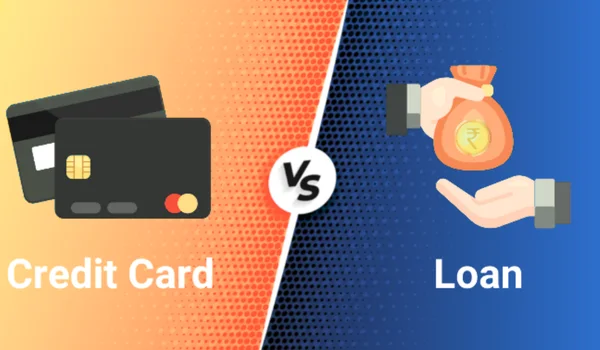
Credit Card EMI allows you to convert large purchases made using your credit card into monthly installments.
Instead of paying the full amount at once, you repay it over a fixed tenure such as:
- 3 months
- 6 months
- 9 months
- 12 months
- 24 months
Many banks offer instant EMI conversion through apps, net banking, or merchant checkout pages.
What is a Personal Loan?
A personal loan is an unsecured loan provided by banks or NBFCs that allows you to borrow a lump sum amount and repay it in fixed EMIs over a chosen tenure.
Personal loans are commonly used for:
- Medical emergencies
- Weddings
- Home renovation
- Travel
- Education
- Debt consolidation
How Does Credit Card EMI Work?
Example
Suppose you purchase a laptop worth ₹60,000 using your credit card.
You convert it into:
- 12-month EMI
- Interest rate: 15%
The amount gets divided into monthly EMIs.
The available credit limit reduces until the EMI is repaid.
How Does a Personal Loan Work?
Example
You take a personal loan of ₹2,00,000.
Loan details:
- Tenure: 3 years
- Interest Rate: 12%
You receive the amount in your bank account and repay fixed EMIs monthly.
Key Difference Between Credit Card EMI and Personal Loan
| Feature | Credit Card EMI | Personal Loan |
| Loan Type | Linked to credit card | Standalone loan |
| Processing Speed | Instant | Few hours to days |
| Best For | Small purchases | Large expenses |
| Loan Amount | Limited by card limit | Higher amounts available |
| Documentation | Minimal | More documentation |
| Interest Rate | Usually higher | Often lower |
| Impact on Credit Limit | Reduces available limit | No impact on card limit |
Eligibility Criteria
Credit Card EMI Eligibility
| Criteria | Requirement |
| Active Credit Card | Mandatory |
| Available Credit Limit | Sufficient limit needed |
| Repayment History | Good payment record preferred |
| EMI Conversion Support | Merchant or bank support required |
Personal Loan Eligibility
| Criteria | Requirement |
| Age | Usually 21–60 years |
| Income | Stable monthly income |
| Employment | Salaried or self-employed |
| Credit Score | Generally 700+ preferred |
| KYC Documents | Mandatory |
Benefits of Credit Card EMI
- Instant Conversion
No lengthy approval process.
- Minimal Documentation
Usually no extra paperwork required.
- Quick Purchases
Ideal for electronics, gadgets, and appliances.
- Flexible EMI Tenure
Different repayment durations available.
- Special No-Cost EMI Offers
Many online platforms provide zero-cost EMI deals.
Benefits of Personal Loan
- Higher Loan Amount
Suitable for major financial needs.
- Longer Repayment Tenure
Can extend up to 5–7 years.
- Lower Interest Rates
Often cheaper than credit card EMIs.
- No Impact on Credit Card Limit
Your credit card remains available for use.
- Multipurpose Usage
Funds can be used for almost any purpose.
Fees & Charges Comparison
| Charge Type | Credit Card EMI | Personal Loan |
| Interest Rate | 12%–24% | 10%–18% |
| Processing Fee | Sometimes applicable | Usually 1%–3% |
| Prepayment Charges | Possible | Possible |
| Late Payment Fee | Applicable | Applicable |
| GST | Applicable | Applicable |
| Foreclosure Charges | Bank dependent | Bank dependent |
Reward Features Comparison
| Reward Feature | Credit Card EMI | Personal Loan |
| Reward Points | Sometimes available | Not available |
| Cashback Offers | Possible | Rare |
| No-Cost EMI Deals | Available | Not applicable |
| Merchant Discounts | Common | Not applicable |
| Travel Rewards | Possible | No |
Credit card EMIs may still provide rewards depending on the bank and merchant terms.
Credit Card EMI vs Personal Loan: Detailed Comparison
| Feature | Credit Card EMI | Personal Loan |
| Approval Time | Instant | Moderate |
| Documentation | Very low | Moderate |
| Loan Amount | Lower | Higher |
| Repayment Flexibility | Limited | More flexible |
| Interest Rates | Higher in many cases | Usually lower |
| Best For | Shopping purchases | Large expenses |
| Credit Limit Impact | Yes | No |
| Emergency Funding | Quick | Slightly slower |
| Loan Tenure | Shorter | Longer |
When Should You Choose Credit Card EMI?
Credit Card EMI may be suitable if:
- You already have a credit card.
- The purchase amount is small or medium-sized.
- You want instant financing.
- You are buying electronics or appliances.
- A no-cost EMI option is available.
When Should You Choose a Personal Loan?
A personal loan may be better if:
- You need a large amount.
- You want lower EMIs.
- You need longer repayment tenure.
- Your credit card limit is insufficient.
- You are funding medical or emergency expenses.
Pros and Cons of Credit Card EMI
| Pros | Cons |
| Instant approval | Higher interest rates |
| Easy conversion | Reduces available credit limit |
| Minimal paperwork | Shorter repayment tenure |
| No separate loan account | Hidden processing charges possible |
| Useful for shopping | Can encourage overspending |
Pros and Cons of Personal Loan
| Pros | Cons |
| Higher borrowing capacity | More documentation |
| Lower interest rates | Approval may take time |
| Longer repayment period | Processing fees applicable |
| Fixed EMIs | Credit score required |
| Suitable for emergencies | Debt burden if unmanaged |
Tips to Maximize Benefits
Compare Total Cost
Always compare:
- Interest rate
- Processing fee
- GST
- Prepayment charges
before deciding.
Prefer No-Cost EMI Offers Carefully
Check whether the discount is genuine or adjusted in the product price.
Borrow Only What You Need
Avoid taking unnecessary EMIs or loans.
Maintain a Good Credit Score
Better credit scores improve eligibility for lower interest rates.
Keep EMI Burden Manageable
Total monthly EMIs should ideally remain below 40%–50% of monthly income.
Common Mistakes to Avoid
Choosing EMI Without Checking Interest Rate
Many users focus only on monthly EMI amount.
Missing EMI Payments
Late payments affect your credit score.
Overusing Credit Card Limit
High utilization negatively impacts your credit profile.
Taking Multiple Loans Simultaneously
Too much debt can create repayment pressure.
Ignoring Processing Fees
Sometimes low-interest offers include hidden charges.
Expert Advice for Indian Borrowers
- Use credit card EMI for short-term and smaller purchases.
- Use personal loans for bigger expenses or emergencies.
- Avoid converting every purchase into EMI.
- Compare loan offers from multiple lenders.
- Choose shorter tenure whenever financially comfortable.
- Maintain repayment discipline to protect your credit score.
Conclusion
Both Credit Card EMI and Personal Loans are useful financial tools, but the right choice depends on your borrowing needs, repayment capacity, and financial discipline.
Credit Card EMI is best for smaller purchases and instant financing, especially when no-cost EMI offers are available. On the other hand, personal loans are more suitable for larger expenses due to higher loan amounts and comparatively lower interest rates.
Before choosing either option, always compare total borrowing costs, repayment tenure, and your monthly budget. Responsible borrowing and timely repayment are the keys to maintaining strong financial health and a good credit score.
Frequently Asked Questions (FAQs)
Q: Which is better: Credit Card EMI or Personal Loan?
A: It depends on your requirement. Credit Card EMI is better for smaller purchases, while personal loans are usually better for larger borrowing needs.
Q: Does Credit Card EMI affect credit limit?
A: Yes. The available credit limit reduces based on the EMI amount until repayment is completed.
Q: Are no-cost EMIs really free?
A: Not always. Sometimes processing fees or reduced discounts may indirectly increase the cost.
Q: Is Personal Loan cheaper than Credit Card EMI?
A: In many cases, yes. Personal loans often have lower interest rates compared to regular credit card EMI plans.
Q: Can I prepay Credit Card EMI?
A: Some banks allow prepayment, but foreclosure or pre-closure charges may apply.
Q: Does EMI affect credit score?
A: Yes. Timely EMI payments can improve your credit score, while missed payments can damage it.
Q: Can I get a personal loan without a credit card?
A: Yes. A credit card is not required to apply for a personal loan.
Q: Which option is faster for emergency funding?
A: Credit Card EMI is usually faster because it can be activated instantly on eligible transactions.