
Perfume is sold on emotion, but it is scaled with operations. The bottle, pump, and cap you choose influence perceived value, production speed, breakage rates, and customer satisfaction. For founders and product teams, packaging is one of the fastest ways to prevent costly issues after launch.
Below is a business-focused checklist for selecting parfum bottles, glass packaging solutions, and closures that work in real-world filling and shipping.
Choose a bottle that fits both the formula and the supply chain
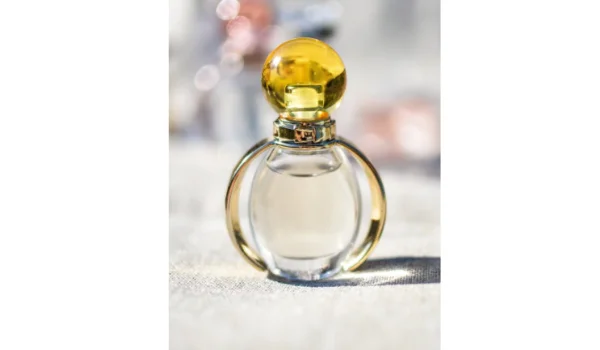
A perfume bottle must look premium and stay consistent across batches. Before you commit to a shape, confirm the basics.
Size and secondary packaging
Most fragrance lines rely on standard sizes such as 30 ml, 50 ml, and 100 ml. Standard sizes simplify carton sourcing, reduce custom insert costs, and make it easier to forecast freight. If you plan discovery sets or travel sprays, check whether your supplier can support smaller formats later without changing the overall design language.
Glass finish and product protection
Finish is not only aesthetic. It can support performance and positioning:
- Flint or extra flint for a clear, high-clarity look.
- Amber to help protect light-sensitive compositions.
- Frosted for a premium feel and a more forgiving appearance on shelves.
Neck finish and crimp consistency
Many perfume bottles use standardized crimp necks, often referenced as FEA. If the neck finish and pump spec do not match, you risk leakage, poor crimping, or inconsistent spray output. That becomes a margin problem through rework, returns, and brand damage.
Working with experienced perfume bottle manufacturers helps because you can compare clear specifications and select bottles designed for common fragrance closure systems.
Treat the spray system as part of the product experience
Customers remember the first spray. A weak mist, sputtering actuator, or loose cap can make even a great formula feel low quality.
What to test before approving components
When selecting spray caps, evaluate more than appearance:
- Fit and seal with your chosen neck finish and pump.
- Spray pattern, fine mist versus heavier spray.
- Actuation feel, smooth press and consistent rebound.
- Cap retention, so it stays secure in handbags and during shipping.
Run a pilot that mirrors reality. Fill and crimp a small batch, ship-test it, and then retest spray performance after temperature swings.
A supplier checklist for fewer late-stage surprises
Packaging problems often appear late, during filling or after customers start using the product. Use this checklist when qualifying suppliers.
1. Specification clarity, drawings, neck finish details, and tolerances.
2. Quality controls, how defects are sampled, recorded, and handled.
3. MOQ flexibility, the ability to start small and scale without changing parts.
4. Stock and lead times, availability for reorders and seasonal demand.
5. Decoration support, frosting, coating, printing, or labeling with repeatable results.
Practical ways to protect margin on your next launch
- Standardize one neck finish across multiple SKUs to simplify purchasing.
- Keep a packaging spec sheet with photos, measurements, and approved samples.
- Order extra components for stability testing and future comparisons.
Closing thought
Perfume packaging is where brand storytelling meets engineering. When your bottle and spray system are compatible, consistent, and tested, you reduce operational risk and protect your margins while scaling.

Shashi Kant is the Founder and Editor of BusinessScroller.com, a leading platform for business insights, finance trends, and industry analysis. With a passion for journalism and expertise in business reporting, he curates well-researched content on market strategies, startups, and corporate success stories. His vision is to provide valuable information that empowers entrepreneurs and professionals. Under his leadership, BusinessScroller.com has grown into a trusted source for in-depth articles, customer care guides, and financial expertise.