
Over-the-Top (OTT) platforms have revolutionized the way content is consumed, offering users the ability to stream media directly over the internet without the need for traditional cable or satellite services. These platforms have developed diverse business models to generate revenue, catering to varying consumer preferences and market dynamics.
Subscription Video on Demand (SVOD)
In the SVOD model, users pay a recurring fee—monthly, quarterly, or annually—to access a library of content. This model provides subscribers with unlimited viewing of available content during the subscription period. Prominent examples include Netflix, Disney+, and Amazon Prime Video. The predictability of recurring revenue makes SVOD a popular choice among OTT providers. However, success in this model requires a continuous investment in compelling content to attract and retain subscribers.
Advertising Video on Demand (AVOD)
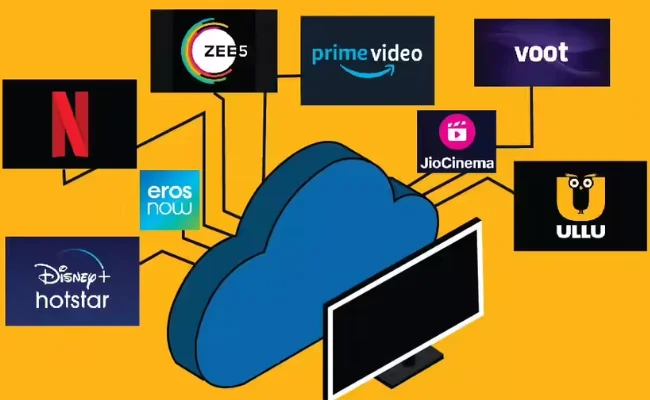
AVOD platforms offer free access to content, monetizing through advertisements. Revenue is generated by displaying ads to viewers, with advertisers paying for exposure. This model is appealing to users unwilling to pay subscription fees and is supported by brands aiming to reach a broad audience. YouTube and Peacock (in its free tier) exemplify the AVOD model. The challenge lies in balancing ad frequency to maintain user engagement without causing annoyance.
Transactional Video on Demand (TVOD)
TVOD operates on a pay-per-view basis, where users pay for individual pieces of content. This model is suitable for exclusive or high-demand content, such as new movie releases or special events. Subcategories include Electronic Sell-Through (EST), allowing permanent access to purchased content, and Download to Rent (DTR), offering temporary access. Platforms like Apple iTunes and Google Play Movies utilize the TVOD model. While it provides flexibility to consumers, reliance on one-time transactions can lead to revenue volatility.
Hybrid Models
Many OTT platforms adopt hybrid models, combining elements of SVOD, AVOD, and TVOD to diversify revenue streams. For instance, Hulu offers both subscription-based and ad-supported plans, while Amazon Prime Video combines subscription-based streaming with options to rent or buy additional content. This approach allows platforms to cater to a wider audience by providing multiple consumption options.
Freemium Model
In the freemium model, platforms offer a basic tier of content for free, supported by advertisements, while providing a premium, ad-free experience for paying subscribers. This strategy attracts a broad user base, with the potential to convert free users into paying customers seeking an enhanced experience. Platforms like Spotify employ this model, offering free access with ads and a premium subscription for an ad-free experience.
Licensing and Syndication
OTT platforms also generate revenue by licensing their original content to other services or networks. This can include selling broadcasting rights to traditional TV networks or other streaming services, thereby reaching a wider audience and maximizing content monetization. For example, Netflix has licensed some of its original series to international broadcasters.
Data Monetization
By analyzing user data, OTT platforms can offer targeted advertising opportunities to brands, thereby commanding higher ad rates. Additionally, insights gained from data analytics can inform content creation and acquisition strategies, ensuring that platforms invest in content that resonates with their audience, ultimately driving subscriber growth and retention.
Live Streaming and Events
Some OTT platforms offer live streaming of events, such as sports, concerts, or conferences, either as part of a subscription or on a pay-per-view basis. This not only attracts viewers seeking real-time content but also opens avenues for sponsorships and exclusive partnerships, further enhancing revenue potential.
Merchandise and Ancillary Services
OTT platforms, particularly those with popular original content, can capitalize on merchandise sales related to their shows or movies. This includes apparel, collectibles, and other branded products. Additionally, offering ancillary services such as behind-the-scenes content, interactive experiences, or fan events can create additional revenue streams and deepen audience engagement.
Conclusion
The monetization strategies of OTT platforms are multifaceted, reflecting the dynamic nature of the digital entertainment landscape. By employing a combination of subscription fees, advertising, transactional purchases, and innovative hybrid models, these platforms cater to diverse consumer preferences while ensuring sustainable revenue growth. As the industry evolves, OTT providers must remain agile, continuously adapting their business models to meet changing market demands and technological advancements

Shashi Kant is the Founder and Editor of BusinessScroller.com, a leading platform for business insights, finance trends, and industry analysis. With a passion for journalism and expertise in business reporting, he curates well-researched content on market strategies, startups, and corporate success stories. His vision is to provide valuable information that empowers entrepreneurs and professionals. Under his leadership, BusinessScroller.com has grown into a trusted source for in-depth articles, customer care guides, and financial expertise.

