
Patanjali Ayurved, founded in 2006 by yoga guru Baba Ramdev and Acharya Balkrishna, has rapidly ascended to prominence in India’s fast-moving consumer goods (FMCG) sector. The company has distinguished itself by integrating traditional Ayurvedic principles with modern production and marketing strategies. Understanding Patanjali’s business model reveals how it generates revenue through diverse channels and strategic initiatives.
Diverse Product Portfolio
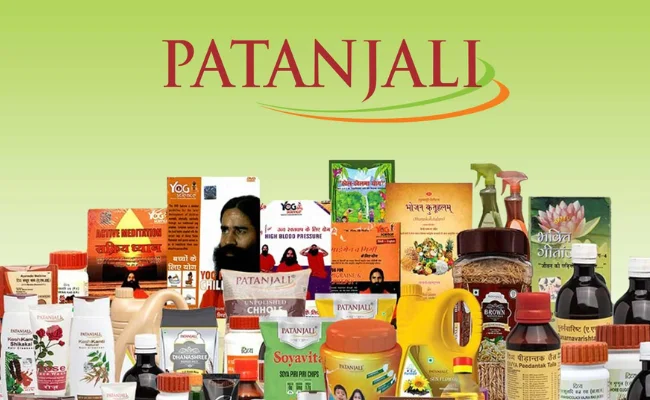
Patanjali’s extensive product range is central to its revenue generation. The company offers over 2,500 products across various categories, including:
- Food and Beverages: Staples like flour, rice, and pulses; processed foods such as biscuits and noodles; dairy products; and beverages.
- Personal Care: Products like toothpaste, soaps, shampoos, and cosmetics, all emphasizing natural and Ayurvedic ingredients.
- Healthcare: Ayurvedic medicines and supplements targeting various health concerns.
- Home Care: Cleaning agents, detergents, and other household products.
This diversified portfolio allows Patanjali to cater to a broad consumer base, enhancing its market reach and revenue streams.
Vertical Integration and Manufacturing
Patanjali has adopted a vertically integrated approach, managing its supply chain from sourcing raw materials to manufacturing and distribution. The company operates its own farms and production facilities, ensuring control over quality and reducing costs. This integration enables Patanjali to offer products at competitive prices, appealing to cost-conscious consumers.
Distribution Network
The company has established an extensive distribution network, including:
- Exclusive Retail Outlets: Over 5,000 Patanjali-branded stores across India.
- Franchise Model: Collaboration with franchisees to expand retail presence.
- Traditional Retail Channels: Partnerships with supermarkets, hypermarkets, and local kirana stores.
- E-commerce Platforms: Availability of products on Patanjali’s official website and other major online marketplaces.
This multi-channel distribution strategy ensures widespread product availability, contributing significantly to sales volume.
Marketing and Brand Positioning
Patanjali’s marketing strategy emphasizes its products’ natural, Ayurvedic, and Swadeshi (indigenous) attributes. The brand leverages Baba Ramdev’s popularity and credibility to promote its offerings, often highlighting the health benefits and traditional roots of its products. This positioning resonates with health-conscious consumers seeking natural alternatives, thereby driving sales.
Strategic Acquisitions and Diversification
To broaden its market presence and product range, Patanjali has undertaken strategic acquisitions:
- Ruchi Soya Industries: In 2019, Patanjali acquired Ruchi Soya, a major player in the edible oil sector, for ₹4,350 crore. This acquisition not only expanded Patanjali’s product portfolio to include popular brands like Ruchi Gold but also enhanced its manufacturing capabilities.
- Food Business Integration: In 2022, Patanjali transferred its food business, including products like biscuits, ghee, cereals, and nutraceuticals, to Patanjali Foods (formerly Ruchi Soya) for around ₹690 crore. This move aimed to consolidate its food-related operations under a single entity, streamlining processes and boosting efficiency.
Financial Performance
Patanjali’s financial trajectory reflects its rapid growth and strategic initiatives:
- Fiscal Year 2023-24: Patanjali Ayurved reported a total income of ₹9,335.32 crore, marking a 23.15% increase from the previous year. This growth was significantly driven by other income, including the Offer for Sale (OFS) of Patanjali Foods and earnings from other group entities. However, revenue from operations decreased by 14.25% to ₹6,460.03 crore, primarily due to the transfer of its food business to Patanjali Foods.
- Patanjali Foods’ Performance: In the quarter ending December 31, 2024, Patanjali Foods reported a 71% rise in profit, reaching ₹3.71 billion. This surge was attributed to robust demand in its cooking oils segment, which constitutes nearly 75% of its total revenue. The edible oils segment saw a 22.5% increase in revenue, contributing to an overall revenue growth of 15% to ₹91.03 billion.
Challenges and Future Outlook
Despite its success, Patanjali faces several challenges:
- Market Competition: The FMCG sector is highly competitive, with established players and new entrants vying for market share.
- Supply Chain Management: Maintaining quality and managing logistics across a vast product range and distribution network is complex.
- Regulatory Compliance: Adhering to food safety and regulatory standards is crucial, especially with a focus on natural and Ayurvedic products.
Looking ahead, Patanjali aims to strengthen its market position by:
- Expanding Product Lines: Introducing new products in existing categories and exploring new segments.
- Enhancing Distribution: Increasing its presence in rural and urban markets through additional retail outlets and e-commerce channels.
- Sustainability Initiatives: Focusing on sustainable sourcing and environmentally friendly practices to appeal to eco-conscious consumers.
In conclusion, Patanjali’s business model is a blend of traditional Ayurvedic wisdom and modern business practices. Through a diversified product portfolio, vertical integration, strategic marketing, and acquisitions, the company has established a robust revenue-generating framework.

Shashi Kant is the Founder and Editor of BusinessScroller.com, a leading platform for business insights, finance trends, and industry analysis. With a passion for journalism and expertise in business reporting, he curates well-researched content on market strategies, startups, and corporate success stories. His vision is to provide valuable information that empowers entrepreneurs and professionals. Under his leadership, BusinessScroller.com has grown into a trusted source for in-depth articles, customer care guides, and financial expertise.