
Kentucky Fried Chicken (KFC), the flagship chicken chain of Yum! Brands, operates over 30,000 restaurants globally across more than 145 countries as of April 2024, making it the second-largest restaurant chain after McDonald’s. It is famed for its “original 11 herbs & spices” recipe, a global brand image powered by its iconic logo and Colonel Sanders persona. In 2023, KFC’s standalone revenue reached US $2.83 billion, or approximately ₹23,452 crore (₹1 = ₹83).
KFC is part of Yum! Brands, which reported full‑year 2024 system sales growth in the KFC division of +3% ex-FX, with same-store and unit growth of +7% and +4%, respectively. Yum! also saw 12% YoY revenue growth in Q1 2025 to US $1.79 billion (~₹14,900 crore), with KFC same-store sales up ~2%. Significantly, digital sales across Yum!’s brands increased by 15% in 2024.
With strong global presence and ongoing digital acceleration, KFC is navigating both headwinds and growth opportunities. Here is an in-depth SWOT analysis of the brand.
Strengths
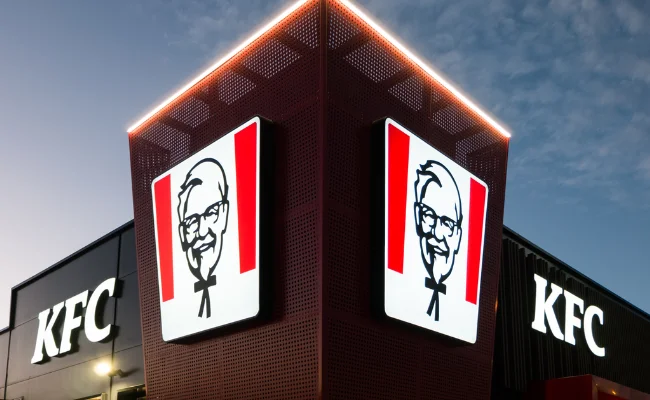
- Iconic Brand & Secret Recipe
KFC’s legendary secret blend of 11 spices creates a distinct taste that sets it apart. Its brand value is pegged between US $6–6.3 billion, ranking it among the top global fast-food brands. Strong marketing, including Colonel Sanders’ persona and global mascot Kate, further strengthens brand recall.
- Massive Global Footprint and Economies of Scale
With around 30,000+ outlets in 147 countries, including over 10,000 in China and nearly 4,000 in the US, KFC benefits from deep localization and significant scale advantages.
- Franchise Model & Efficient Operations
Over 98% of Yum! Brands’ outlets are owned or operated by franchisees, enabling rapid expansion with limited capital expenditure. A well-structured supply chain and production process ensure operational efficiency.
- Digital Transformation
Yum!’s Byte by Yum! AI initiative is driving personalization, loyalty, and kitchen efficiency. Digital orders increased 15% in 2024, with positive impact on margins and customer engagement.
- Product Range & Menu Innovation
KFC continuously innovates its menu by adding grilled options, vegetarian alternatives, and locally-tailored items, which resonates in markets like India and China.
Weaknesses
- Health & Nutritional Criticism
Despite offering some healthier items, KFC is perceived as an “unhealthy” brand due to fried, high-calorie offerings. This attracts criticism from health-conscious consumers.
- Franchise Variability
Heavy reliance on franchisees leads to inconsistent service quality and occasional reputational issues. “One location may be outstanding; the next, terrible” due to varying franchise standards.
- Supply Chain & Ethical Sourcing Concerns
Past controversies around overcrowded birds and poor animal welfare standards—e.g., only 1% of chickens are “slower growing” breeds as of 2024—impact brand trust.
- Negative Publicity
Operational missteps, such as the 2022 Kristallnacht-themed promotion in Germany, have sparked backlash, revealing gaps in internal quality controls.
Opportunities
- Menu Diversification & Health-Conscious Options
There is a growing demand for healthier and plant-based meals. KFC can expand its grilled and vegetarian portfolios to attract broader consumer demographics.
- Delivery and Cloud Kitchens
Rising food delivery services offer channels for revenue without brick-and-mortar investment. KFC is well-positioned to exploit these platforms further.
- Emerging Market Expansion
KFC’s strong foothold in China (10,000+ stores) and India (1,000 stores + expanding via Devyani/Sapphire) allows focused growth in populous and underpenetrated markets.
- Technological Leverage
Scaling AI through “Byte by Yum!”, self-order kiosks, and mobile apps can enhance customer experience, drive efficiency, and reduce waste.
- Strategic Investments
KFC U.K. and Ireland plan a £1.49 billion (₹15,900 crore) investment over the next few years to expand 500 outlets and refresh 200+ existing locations.
Threats
- Competitive Pressure
Intense competition from other chicken specialists (Popeyes, Wingstop, Slim Chickens), major global rivals (McDonald’s), and nimble regional brands endangers market share.
- Shifting Consumer Preferences
A global shift toward healthier eating poses long-term threats to KFC’s core fried chicken business.
- Price & Cost Inflation
Surging costs in ingredients, wages, and energy squeeze margins. Operators like Collins Foods in Australia have reported significant profit pressure.
- Regulatory & Currency Risks
Operating in over 145 countries exposes KFC to fluctuations in currency and geopolitical risks, which impacted operating profit by US $28 million in 2024.
- Franchisee Financial Strains
In India, Sapphire Foods reported an ₹18 million loss in Q1 FY26 due to rising expenses and fierce discounting; same-store sales stayed flat.
In‑Depth Financial Snapshot (₹ Crore)
| Metric | Value (INR Crore) | Notes |
| KFC Revenue 2023 | ₹23,452 | From US $2.83 billion |
| Yum! Q1 2025 Revenue | ₹14,900 | US $1.79 billion for all brands |
| Yum! Dividend per Share | ₹59 | $0.71/share at ₹83/USD |
| UK/Ireland Investment | ₹15,900 | £1.49 billion project over 5 years |
| Sapphire Q1 Revenue (India) | ₹777 | ₹7.77 billion |
Future Outlook
KFC’s trajectory through 2025–2027 will be shaped by its ability to navigate both evolving consumer preferences and market shifts:
- Health-centric offerings: Continuing expansion in grilled and plant-based menu should broaden its customer base.
- Digital transformation: Broader deployment of AI-driven tools under “Byte by Yum!” and consolidation of mobile/digital platforms will enrich consumer experience and operational dexterity.
- Focused capital deployment: Strategic investments in core markets like the UK & Ireland and new markets like Africa and emerging Asia will support growth. However, signs of financial stress among franchisees—like those in India—necessitate enhanced franchise support and stronger financial models.
- Efficiency and margins: Managing inflation pressure via supply chain optimization, pricing, and menu value offerings will be crucial.
- Brand trust and ESG: Improving animal welfare, sustainability, and operational transparency will aid in weathering scrutiny and maintaining public trust.
In summary, KFC’s well-established brand identity, secret recipe, and global footprint remain powerful assets. Yet, as health consciousness, competition, and economic uncertainties intensify—franchisees bearing the brunt—strategic innovation and operational robustness will define the brand’s durability. Investing in technology, healthier offerings, supply-chain resilience, and franchisee relationships will be instrumental.
Future Outlook:
Looking ahead, KFC aims for orderly growth and market resilience, leveraging:
- Digitally-enabled experience (AI, mobile, loyalty),
- Localisation and health-driven innovation,
- Targeted investments (e.g., UK/Ireland expansion),
- Strengthened franchise support systems.
If KFC executes across these fronts, it can sustain growth, defend margins in inflationary environments, gain share from health-conscious consumers, and stay relevant in an increasingly competitive fast-food landscape.

Shashi Kant is the Founder and Editor of BusinessScroller.com, a leading platform for business insights, finance trends, and industry analysis. With a passion for journalism and expertise in business reporting, he curates well-researched content on market strategies, startups, and corporate success stories. His vision is to provide valuable information that empowers entrepreneurs and professionals. Under his leadership, BusinessScroller.com has grown into a trusted source for in-depth articles, customer care guides, and financial expertise.