
Physical security is evolving fast. Where traditional keys and mechanical locks once dominated, digital solutions are now reshaping how organisations protect their assets, buildings and people. Understanding these changes helps businesses make better decisions about their security infrastructure.
The Rise of Keyless Access in Modern Buildings
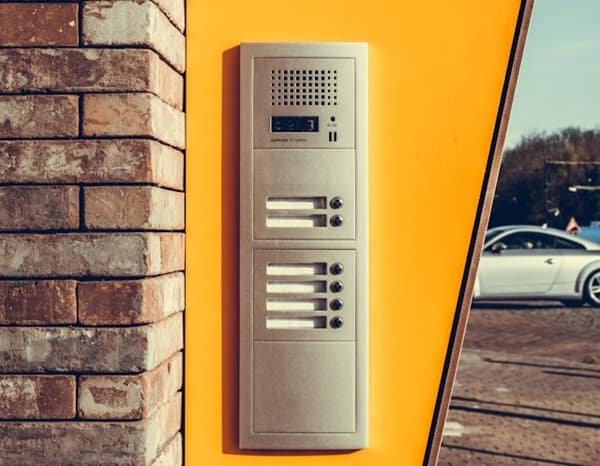
For decades, the humble metal key was the default answer to physical security. But keys get lost, copied and forgotten. Managing large sets of keys across multiple locations is a logistical headache, especially for facilities teams responsible for dozens or even hundreds of access points.
Digital locking systems address these problems by replacing physical keys with encrypted credentials stored on smartphones or access cards. This means administrators can grant or revoke access remotely, in real time, without ever needing to change a lock or redistribute keys. The result is a system that is both more secure and far easier to manage day to day.
A Smart padlock is one practical example of this shift. Unlike a conventional padlock, a smart version can be opened via a mobile app or NFC-enabled device, and its access log records exactly who opened it and when. This kind of audit trail is invaluable in settings such as construction sites, storage facilities or utility cabinets where accountability matters.
Why Access Control Is About More Than Just Doors
Many people think of access control as simply deciding who can enter a building. In reality, it covers a much broader set of decisions: who can access specific floors, rooms, cabinets or outdoor areas, and at what times. A well-designed system considers all of these layers.
Battery-free electronic locks are gaining particular attention in this space. Systems developed by iLOQ, for example, use energy harvested from the locking action itself or from NFC communication, which eliminates the need for wired power or battery replacements. This makes installation simpler and reduces ongoing maintenance costs significantly.
Effective Access control security also plays a central role in regulatory compliance. Sectors such as healthcare, finance and critical infrastructure are subject to strict requirements around who can access sensitive areas. Digital systems make it straightforward to demonstrate compliance through detailed access reports and automated permission management.
Scalability is another important consideration. As organisations grow, their security needs grow with them. A cloud-based locking platform can scale across new sites without requiring entirely new hardware investments, making it a more future-proof choice than traditional mechanical systems.
Physical security today is not just about keeping intruders out. It is about managing access intelligently, reducing operational complexity and building a system that adapts to how organisations actually work. Digital locking solutions are proving themselves as a practical and reliable foundation for that goal.

Shashi Kant is the Founder and Editor of BusinessScroller.com, a leading platform for business insights, finance trends, and industry analysis. With a passion for journalism and expertise in business reporting, he curates well-researched content on market strategies, startups, and corporate success stories. His vision is to provide valuable information that empowers entrepreneurs and professionals. Under his leadership, BusinessScroller.com has grown into a trusted source for in-depth articles, customer care guides, and financial expertise.