
Key Takeaways
- Property type can affect loan terms, documentation, valuation, and the length of the approval process.
- Condo financing may depend on the financial and physical condition of the entire association, not only the individual unit.
- Rental, multifamily, and commercial properties are often evaluated through income, expenses, leases, and operating history.
- Short-term financing can support fast purchases and renovation projects, but repayment planning is essential.
- The best loan is not always the one with the lowest advertised rate. Fees, timing, flexibility, and payoff requirements matter too.
Los Angeles real estate is not a one-size-fits-all financing market. A move-in-ready home in the San Fernando Valley, a condo near Downtown Los Angeles, and a mixed-use building on a busy neighborhood corridor can present very different underwriting questions. The right financing approach starts with the property itself, its condition, intended use, income potential, and the borrower’s plan for repayment.
For buyers and investors facing a tight closing window, extensive repairs, or an unconventional property, a hard money loan Los Angeles borrowers consider, may offer a short-term option alongside conventional mortgages and commercial financing. Speed can be valuable, but it should never replace a careful review of cost, risk, and the exit strategy.
Why Property Type Matters
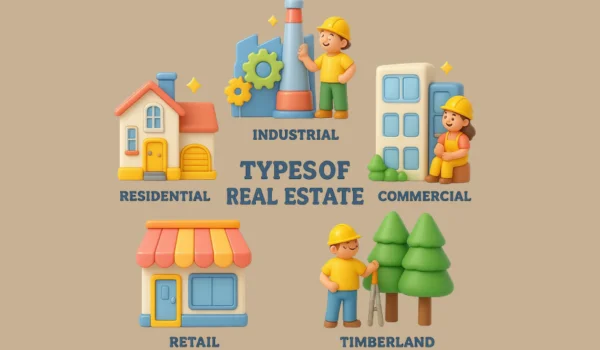
Lenders assess risk differently depending on what is being financed. A primary residence may be evaluated primarily based on the buyer’s income, credit, down payment, appraisal, and occupancy plans. An investment property may require a closer look at rent, vacancy, operating expenses, and the borrower’s available reserves. A commercial building can add tenant, lease, zoning, and environmental considerations.
Los Angeles also has a wide range of housing ages, neighborhood densities, hillside conditions, association-managed buildings, and adaptive-reuse opportunities. A borrower with solid finances can still encounter delays when an appraisal, title report, insurance issue, repair need, or zoning question affects the property.
Single-Family Homes and Townhomes
Detached houses and townhomes are often the most familiar financing scenarios, especially when they are intended as primary residences. Still, the loan structure should match the buyer’s actual plan. A long-term mortgage may suit a move-in-ready home for someone with a stable income and a predictable holding period. A property that needs major work before it can qualify for traditional financing may require a different approach.
- Compare the purchase price with recent local sales and the appraised value.
- Calculate the down payment, loan-to-value ratio, closing costs, and post-closing cash reserves.
- Identify repairs that could affect safety, insurance, habitability, or appraisal results.
- Be clear about whether the home will be owner-occupied, rented, renovated, or resold.
Condominiums and Homeowners Associations
A condo buyer is purchasing an individual unit while also becoming part of a shared property structure. That means the lender may review the homeowners’ association budget, reserve funding, insurance, deferred maintenance, special assessments, litigation, and building occupancy patterns. A unit can be attractive and well priced, yet financing may still be complicated if the broader project raises concerns.
Buyers should request association documents early, rather than waiting until the final days of escrow. Updated condo financing guidance for Los Angeles buyers highlights why building-level records can affect timing and loan availability. Extra review time is particularly important when a building has planned repairs, limited reserves, or insurance questions.
Rental Homes and Small Multifamily Properties
For a duplex, triplex, four-unit building, or rental house, projected property income becomes part of the financing conversation. Lenders may consider existing leases, market rents, vacancy assumptions, taxes, insurance, utilities, repairs, management costs, and debt service coverage. Personal income can still matter, but the property must also make operational sense.
For example, an investor buying a Los Angeles duplex should avoid assuming both units will remain continuously occupied at the highest possible rent. A more durable budget allows for vacancy, maintenance, and turnover costs, as well as a reserve for unexpected repairs. If net income cannot reasonably support the monthly debt obligation, the plan may be too aggressive.
Fix-and-Flip Projects
Renovation financing requires discipline because the purchase is only one part of the investment. Before making an offer, investors should:
- Estimate the acquisition price and all closing costs.
- Create a detailed repair scope and a realistic contractor budget.
- Build in time for permits, inspections, material delays, and change orders.
- Estimate the completed value using credible neighborhood comparisons.
- Choose an exit plan, whether resale, refinancing, or long-term rental ownership.
A low acquisition price does not automatically create a strong flip. The project must have enough time, budget, demand, and financing capacity to absorb surprises.
Commercial and Mixed-Use Properties
Commercial and mixed-use financing usually requires more property-level detail than a standard residential mortgage. Lenders may examine net operating income, rent rolls, tenant leases, renewal dates, capital needs, zoning, and the borrower’s experience operating or repositioning the asset. Vacant space can require a business plan that explains who the future tenants may be and how the property will reach stabilized income.
Local buyers should also follow the lending and development conversations reflected in the 2026 commercial outlook, particularly when evaluating properties that depend on leasing, redevelopment, or changing neighborhood demand.
Short-Term Financing Versus Long-Term Financing
- Short-term financing: Often used for fast purchases, bridge periods, renovations, probate situations, or properties that need work before permanent financing.
- Short-term risks: Higher carrying costs, maturity dates, extension fees, and pressure to sell or refinance on schedule.
- Long-term financing: Usually designed for stable ownership, regular payments, and a longer repayment horizon.
- Long-term challenges: More documentation, property condition requirements, and stricter borrower or income reviews.
How to Compare Loan Offers
- Compare the interest rate, annual percentage rate when available, and total estimated borrowing cost.
- Review origination charges, appraisal fees, inspection costs, and closing expenses.
- Confirm whether payments include principal or are interest-only.
- Check the maturity date, prepayment rules, late-payment provisions, and extension options.
- Match the repayment plan to the renovation schedule, rental plan, or expected sale timeline.
Common Mistakes to Avoid
- Choosing financing based only on the stated interest rate.
- Underestimating construction costs, taxes, insurance, HOA dues, or vacancy.
- Skipping title, zoning, insurance, or property-condition review.
- Using overly optimistic resale values or rental projections.
- Reaching a closing without a clear plan for the final payoff or refinance.
Frequently Asked Questions
Does property type affect the interest rate?
It can. Rates and terms may vary based on occupancy, condition, loan size, property income, borrower profile, loan-to-value ratio, and the lender’s assessment of repayment risk.
Why can condo financing take longer?
The lender may need records from the association concerning the building’s budget, reserves, insurance, maintenance, assessments, and legal matters.
Is the lowest rate always the best choice?
No. A lower rate can be offset by higher fees, restrictive loan terms, a slow closing process, or a maturity date that does not fit the borrower’s plan.
Conclusion
In Los Angeles, California, property type should guide financing decisions from the beginning. A townhome buyer may prioritize payment stability. A condo buyer may need to review the association’s records. A multifamily investor may focus on income and expenses, while a flipper must control construction timing and resale risk. Comparing the full loan structure, the property’s condition, and the exit plan can help buyers and investors make more informed financing decisions in 2026.

Shashi Kant is the Founder and Editor of BusinessScroller.com, a leading platform for business insights, finance trends, and industry analysis. With a passion for journalism and expertise in business reporting, he curates well-researched content on market strategies, startups, and corporate success stories. His vision is to provide valuable information that empowers entrepreneurs and professionals. Under his leadership, BusinessScroller.com has grown into a trusted source for in-depth articles, customer care guides, and financial expertise.