
D-Mart, officially known as Avenue Supermarts Limited, has established itself as a leading retail chain in India since its inception in 2002 by Radhakishan Damani. The company operates a network of hypermarkets and supermarkets across the country, offering a wide range of consumer goods at competitive prices. This article delves into D-Mart’s business model, exploring the strategies and revenue streams that contribute to its financial success.
Core Business Model
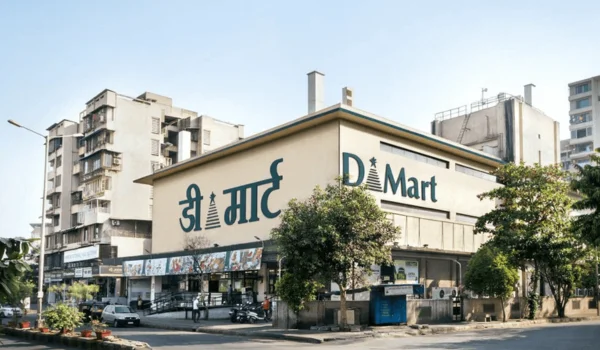
D-Mart’s business model is centered around providing value to customers through a combination of low pricing, efficient operations, and strategic expansion. The key components of this model include:
- Everyday Low-Cost (EDLC) Strategy: D-Mart focuses on offering products at consistently low prices, attracting price-sensitive consumers and encouraging repeat purchases. This strategy is achieved through bulk purchasing, efficient supply chain management, and cost control measures.
- High Inventory Turnover: By maintaining a fast-moving inventory, D-Mart reduces storage costs and minimizes the risk of obsolescence. The emphasis on essential and frequently purchased items ensures steady sales and quick replenishment cycles.
- Cluster-Based Expansion: D-Mart adopts a cluster-based approach to expansion, opening multiple stores within a specific geography before moving to new regions. This strategy enhances operational efficiency, reduces distribution costs, and strengthens brand presence in targeted areas.
- Ownership of Real Estate: Unlike many retailers that lease store spaces, D-Mart prefers to own the properties where it operates. This approach minimizes rental expenses, protects against rent escalations, and allows greater control over store operations.
Revenue Streams
D-Mart generates revenue through several channels:
- Sale of Consumer Goods: The primary source of income is the sale of a diverse range of products, including:
- Food Products: Groceries, packaged foods, and fresh produce.
- Non-Food Essentials: Personal care items, cleaning supplies, and household products.
- General Merchandise: Apparel, kitchenware, electronics, and home décor.
Competitive pricing and frequent discounts attract a large volume of customers, ensuring high foot traffic and robust sales.
- Private Label Products: D-Mart has developed its own range of private label brands across various categories. These products typically offer higher profit margins compared to national brands and cater to cost-conscious consumers seeking quality alternatives.
- Bulk Purchasing and Supplier Negotiations: By negotiating bulk purchases directly with manufacturers and suppliers, D-Mart secures products at discounted rates. These cost savings are passed on to customers, driving loyalty and repeat purchases.
- High Inventory Turnover: Selling products quickly minimizes holding costs and generates revenue more efficiently. The high inventory turnover ensures that stores remain stocked with fresh products, enhancing customer satisfaction.
- Real Estate Ownership: Owning a majority of its retail stores provides long-term cost savings by avoiding rental expenses. This strategy increases profitability and offers greater control over store locations and expansion plans.
Financial Performance
D-Mart’s financial success reflects the efficiency of its business model. As of 2023, the company reported revenues trailing along ₹41,800 crore. The revenue distribution is as follows:
- Food Products: Over 56% of the revenue share was generated from the food sector during the financial year 2023.
- Non-Food Products: The remaining revenue is derived from non-food essentials and general merchandise, including apparel and homeware categories.
While operating on thin profit margins (typically 4-6%), D-Mart’s high sales volumes and cost control measures ensure healthy net profits. The company’s market capitalization exceeds ₹2 lakh crores, making it a favorite among investors.
Challenges and Opportunities
Despite its success, D-Mart faces several challenges:
- Competition from Online Retailers: The rise of e-commerce platforms like Amazon and Flipkart presents significant competition. To address this, D-Mart has ventured into online retail with “D-Mart Ready,” aiming to capture a share of the growing online market.
- Expansion to New Markets: While there is potential for growth in Tier 2 and Tier 3 cities, D-Mart must ensure that it maintains its cost-efficient model and profitability as it expands into new regions.
- Maintaining Supply Chain Efficiency: As D-Mart continues to grow, maintaining its supply chain efficiency will be crucial to its success. The company needs to ensure that its logistics and distribution networks can handle increasing demand without compromising on cost or quality.
Conclusion
D-Mart’s business model is built on providing low-cost, high-quality products to Indian consumers through its network of efficient and cost-effective stores. The company earns profit by focusing on high sales volumes, cost control, private label products, and owning its real estate. As D-Mart continues to expand its store network and strengthen its supply chain, it is well-positioned to maintain its leadership in India’s competitive retail market. With the rise of e-commerce, D-Mart may also explore.

Shashi Kant is the Founder and Editor of BusinessScroller.com, a leading platform for business insights, finance trends, and industry analysis. With a passion for journalism and expertise in business reporting, he curates well-researched content on market strategies, startups, and corporate success stories. His vision is to provide valuable information that empowers entrepreneurs and professionals. Under his leadership, BusinessScroller.com has grown into a trusted source for in-depth articles, customer care guides, and financial expertise.