If you are planning to start a food business in India, the sweets and snacks segment is one of the most evergreen and profitable industries. Among popular brands, Kanti Sweets has built a strong reputation for quality mithai, namkeen, and bakery products over decades.
But the big question is — Can you actually take a Kanti Sweets franchise? And if yes, what is the cost, ROI, and process?
In this detailed guide, I will explain everything honestly — including some important facts most blogs don’t tell you.
About Kanti Sweets
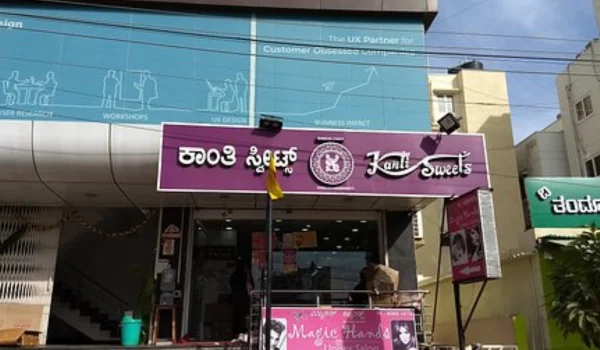
Kanti Sweets is a well-known sweets and snacks brand that started in Bangalore in 1957. Over time, it has expanded with multiple outlets and a loyal customer base thanks to its quality and taste.
The brand offers:
- Traditional Indian sweets (laddu, kaju katli, etc.)
- Namkeen and snacks
- Bakery products
- Beverages
Because of its strong brand recall, many entrepreneurs are interested in its franchise.
⚠️ Reality Check: Does Kanti Sweets Offer Franchise?
Before investing, you must understand a very important fact:
👉 Some sources claim that Kanti Sweets does NOT officially offer franchises, and most outlets are company-owned.
👉 However, other platforms suggest dealership or distribution-based models may exist, not a traditional franchise system.
What this means for you:
- You may not get a pure franchise like Domino’s or McDonald’s
- You might get a dealership / partner / retail distribution model
👉 Always confirm directly with the company before investing.
Kanti Sweets Franchise Cost in India
Even though official clarity is limited, based on multiple sources, here’s an estimated investment range:
💰 Investment Breakdown Table
| Cost Component | Estimated Cost (INR) |
| Franchise / Security Fee | ₹2 lakh – ₹6 lakh |
| Shop Setup & Interiors | ₹5 lakh – ₹10 lakh |
| Equipment & Machinery | ₹2 lakh – ₹4 lakh |
| Initial Stock | ₹1 lakh – ₹2 lakh |
| Working Capital | ₹2 lakh – ₹5 lakh |
| Total Investment | ₹7 lakh – ₹20 lakh |
👉 Some low-scale dealership models may start from ₹6–10 lakh, while a full outlet setup can go up to ₹20 lakh.
Franchise Model Explained
Kanti Sweets generally operates on a FOFO (Franchise Owned, Franchise Operated) type of model where:
- You invest capital and manage operations
- The brand provides:
- Product supply
- Branding
- Training
- Operational guidance
However, in many cases, it works more like:
👉 Retail/Distribution dealership model
👉 High revenue sharing (up to 90–95% retained by franchisee)
Profit Margin & ROI (Return on Investment)
Let’s talk about what matters most — profit 💸
📊 Expected Returns
| Parameter | Value |
| Profit Margin | 10% – 35% |
| Revenue Share | 90% – 95% (in some models) |
| Break-even Time | 6 months – 2 years |
| Monthly ROI Potential | Depends on location |
👉 Some sources suggest break-even within 6–12 months, especially in high footfall areas.
👉 Net profit margins can vary widely based on:
- Rent
- Location
- Sales volume
- Operational efficiency
Space & Infrastructure Requirements
To start a Kanti Sweets outlet, you need:
| Requirement | Details |
| Shop Area | 200 – 1000 sq. ft. |
| Location | High footfall area (market, residential, highway) |
| Staff | 3–6 employees |
| Setup Time | 1–3 months |
👉 Godown space (if dealership model): 800–900 sq. ft.
Eligibility Criteria
To apply for a Kanti Sweets franchise or dealership, you must meet these requirements:
Basic Eligibility:
- Minimum investment capacity (₹7–20 lakh)
- Retail business understanding
- Good location or shop ownership
- Basic management skills
Legal Requirements:
- GST Registration
- FSSAI License (Food Safety)
- Trade License
- Shop Agreement or Ownership Proof
Documents Required:
- Aadhaar Card / PAN Card
- Address proof
- Bank account details
- Photographs
- Rent agreement or property papers
Steps to Apply for Kanti Sweets Franchise
Since there is no clear official franchise page, follow this process:
Step-by-Step Process:
- Visit official website or contact company
- Submit inquiry form or contact details
- Discuss business model (franchise vs dealership)
- Location approval & feasibility check
- Document verification
- Agreement signing
- Store setup & training
- Launch your outlet
👉 Many third-party platforms also connect you with franchise consultants.
Advantages of Kanti Sweets Franchise
✔ Established brand (since 1957)
✔ High demand for sweets in India (all seasons + festivals)
✔ Low to medium investment compared to big food franchises
✔ Quick ROI (if location is good)
✔ Product variety (sweets + snacks + bakery)
Disadvantages / Risks
❌ Franchise model not fully transparent
❌ Limited official confirmation from company
❌ High competition (local sweet shops + brands)
❌ Profit depends heavily on location
❌ Perishable inventory (risk of wastage)
Real-Life Insight (Important)
Many experienced business owners suggest:
In the sweets business, location and quality matter more than brand name.
Even a local sweet shop can outperform a franchise if:
- Taste is better
- Prices are competitive
- Location is prime
Final Verdict: Should You Invest?
👉 YES, if:
- You have a good location
- You want a low-to-medium investment food business
- You confirm official dealership/franchise details
👉 BE CAREFUL, if:
- You expect guaranteed profits
- You rely only on third-party franchise websites
- You don’t verify directly with the company
Conclusion
Kanti Sweets can be a profitable small to mid-level food business opportunity, but it is not a typical franchise like big QSR brands.
The investment ranges from ₹7 lakh to ₹20 lakh, with ROI possible within 6 months to 2 years, depending on your execution.
However, the biggest takeaway is:
👉 Do proper verification before investing
👉 Focus on location, operations, and customer experience
FAQs
- Is Kanti Sweets franchise available in India?
Not fully confirmed — mostly dealership or partner models exist.
- What is the minimum investment?
Around ₹6–10 lakh for small setups.
- What is the profit margin?
Around 10% to 35% depending on operations.
- Is it a good business?
Yes, if you have a strong location and good management.

Shashi Kant is the Founder and Editor of BusinessScroller.com, a leading platform for business insights, finance trends, and industry analysis. With a passion for journalism and expertise in business reporting, he curates well-researched content on market strategies, startups, and corporate success stories. His vision is to provide valuable information that empowers entrepreneurs and professionals. Under his leadership, BusinessScroller.com has grown into a trusted source for in-depth articles, customer care guides, and financial expertise.