
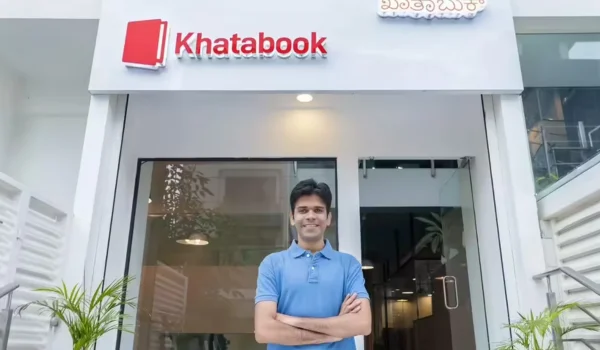
Khatabook, founded in 2018, has rapidly become a prominent player in India’s fintech landscape by offering digital ledger solutions tailored for micro, small, and medium enterprises (MSMEs). The platform enables businesses to efficiently manage transactions, track credits and debits, and oversee financial records through a user-friendly mobile application. Over time, Khatabook has diversified its offerings and revenue streams to establish a sustainable business model.
Core Offerings and Revenue Streams
- Freemium Model with Subscription Services
Khatabook operates on a freemium model, providing basic ledger services free of charge to attract a broad user base. For users seeking advanced features, the company offers subscription-based services:
-
- Khatabook Pro: This premium plan includes enhanced functionalities such as automated payment reminders, detailed business reports, and priority customer support. The subscription is priced at ₹1,874 plus 18% GST annually.
- Biz Analyst: Acquired by Khatabook, Biz Analyst is a Software as a Service (SaaS) solution that integrates with Tally ERP9, assisting businesses in analyzing sales, purchases, and inventory data. Subscriptions start at ₹3,300 plus GST per year.
- Digital Payment Solutions
To facilitate seamless transactions, Khatabook has integrated digital payment solutions into its app, allowing businesses to accept payments via Unified Payments Interface (UPI), credit cards, debit cards, and net banking. The company earns revenue by charging a nominal fee for certain payment transactions, particularly for premium services or higher transaction volumes.
- Lending and Financial Services
Recognizing the credit needs of small businesses, Khatabook has ventured into lending services by partnering with banks and non-banking financial companies (NBFCs). The platform offers short-term loans and working capital to businesses based on their transaction history and financial data. Khatabook generates revenue through:
-
- Interest Income: Earning interest from the disbursed loans.
- Commissions: Receiving a commission from lending partners for facilitating these loans.
- Advertising and Promotions
With a substantial user base of small business owners, Khatabook provides an attractive platform for advertisers. The company monetizes this by offering in-app advertisements and promoted listings to brands aiming to reach its users. Potential advertisers include financial service providers, insurance companies, and suppliers targeting MSMEs.
- Partnerships and API Integrations
Khatabook collaborates with other fintech companies, banks, and service providers to offer additional services to its users. These partnerships enable API integrations for accounting, inventory management, and other business functions. The company earns revenue by charging partners for integrating their services with the Khatabook platform, creating a mutually beneficial ecosystem.
Financial Performance
Khatabook has demonstrated significant growth in recent years:
- Fiscal Year 2021-2022 (FY22): The company’s revenue from operations surged 4x to ₹71 crore, up from ₹17.2 crore in the previous fiscal year. This growth was primarily driven by software development and consultancy fees, which contributed ₹58 crore. However, the company reported a loss of ₹111 crore in FY22, attributed to increased expenses in employee benefits and marketing.
- Fiscal Year 2022-2023 (FY23): Khatabook maintained steady growth with operating revenue increasing by 14% to ₹81 crore. The company focused on controlling expenses, resulting in a slight 4% increase in losses to ₹125 crore. A significant portion of the revenue, ₹64 crore, was derived from software development services in both domestic and international markets.
Challenges and Opportunities
While Khatabook has achieved rapid growth, it faces several challenges and opportunities:
- Competition in the Fintech Space: The Indian fintech market is highly competitive, with several players offering similar services, such as OkCredit, Vyapar, and Tally. Khatabook needs to continuously innovate and offer new features to stay ahead of the competition. At the same time, the company can leverage its large user base and strong brand presence to differentiate itself from competitors.
- Monetization Strategies: Transitioning users from free to paid services poses a challenge. Khatabook must demonstrate the value of its premium offerings to encourage subscriptions and justify transaction fees.
- Regulatory Environment: Operating in the financial services sector requires adherence to regulatory standards. Khatabook must ensure compliance with evolving regulations to avoid legal challenges.
- Expansion of Financial Services: There is a significant opportunity to broaden the range of financial products offered, such as insurance and investment tools, which can provide additional revenue streams.
Conclusion
Khatabook has established a multifaceted business model that leverages subscription services, digital payments, lending, advertising, and strategic partnerships to generate revenue. By addressing challenges and capitalizing on opportunities, the company is well-positioned to continue its growth trajectory and further solidify its presence in the fintech sector.

Shashi Kant is the Founder and Editor of BusinessScroller.com, a leading platform for business insights, finance trends, and industry analysis. With a passion for journalism and expertise in business reporting, he curates well-researched content on market strategies, startups, and corporate success stories. His vision is to provide valuable information that empowers entrepreneurs and professionals. Under his leadership, BusinessScroller.com has grown into a trusted source for in-depth articles, customer care guides, and financial expertise.