
Managing a long-term financial commitment like a loan requires constant evaluation. Many Indian homeowners find themselves stuck with high interest rates, straining their monthly household budgets significantly. Fortunately, the financial market offers an excellent remedy known as a home loan transfer to help reduce your financial burden. Moving your existing debt to a new financial institution can save you thousands of rupees over your remaining loan tenure.
This blog will walk you through everything you need to know about navigating this seamless transition successfully.
What is a Home Loan Transfer?
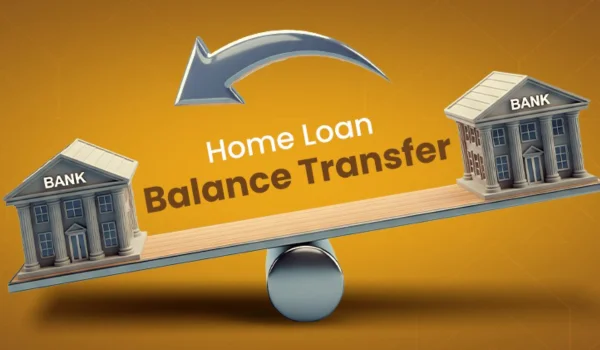
A home loan transfer, also frequently referred to as a balance transfer, is a financial process where you move your outstanding loan balance. You transfer this balance from your current lender to a completely new lender, primarily to secure a much lower interest rate.
The new financial institution pays off your entire remaining debt to your previous lender, effectively closing that specific loan account permanently.
Consequently, you start paying your monthly installments to the new lender under refreshed, more favorable terms and borrowing conditions.
Why Should You Consider Transferring Your Loan?
The most compelling reasons to initiate a home loan transfer include:
- Substantial Interest Savings: Achieving a reduced interest rate drastically decreases your total interest outflow over twenty years. Even a minor dip can yield massive long-term savings.
- Reduced Monthly EMIs: A lower interest rate automatically reduces your Equated Monthly Installments (EMIs), freeing up cash flow for other crucial monthly expenses.
- Shorter Loan Tenure: Alternatively, you can choose to maintain your current EMI amount while shortening your overall loan tenure to become debt-free much faster.
- Better Customer Service: Switching allows you to choose a financial institution that offers superior digital tools, faster query resolution, and better overall management.
Profile Eligibility Across Different Categories
Lenders in India welcome a diverse variety of borrower profiles for a home loan transfer, ensuring wide accessibility across different employment sectors:
- Salaried Individuals: Employed professionals working in Private Limited companies, Public Sector Undertakings (PSUs), government organizations, Multi-National Corporations (MNCs), LLPs, partnerships, and proprietorships.
- Business Owners: Entrepreneurs operating their own business ventures under proprietorships, partnerships, private limited firms, or LLPs.
- Qualified Professionals: Specialized experts with certified practices, including doctors, lawyers, Chartered Accountants (CAs), Company Secretaries (CSs), and architects.
- Independent Freelancers: External corporate consultants, technical specialists, and independent contractors who can demonstrate consistent, verifiable income streams.
Express BT vs Normal BT: Choosing Your Pathway
When you decide to proceed with a home loan transfer, lenders typically offer two distinct pathways based on your specific qualifications.
- Express Balance Transfer
The express option evaluates and approves your request strictly on the basis of your historical loan repayment track record. This pathway is perfectly suited for both self-employed and salaried individuals who possess a clean financial history without any defaults.
- Normal Balance Transfer
Conversely, the normal pathway determines your eligibility primarily on the basis of your current documented income and traditional financial stability. This route is designed for salaried workers or self-employed non-professionals who prefer an evaluation grounded heavily in standard income documentation.
Comparison of Key Criteria
Understanding the exact benchmarks for these two methods helps you select the right pathway for your home loan transfer journey.
| Criteria | Express BT | Normal BT |
| Eligible Profiles | Self-employed & Salaried | Self-employed & Salaried |
| Age Limit (Self-Employed) | 23 to 70 years | 23 to 70 years |
| Age Limit (Salaried) | 21 to 60 years | 21 to 60 years |
| Minimum Bureau Score | 700 and above | 700 and above |
| Minimum EMIs Served | 12 months | 12 months |
| Maximum Loan Amount | ₹5 crore | ₹5 crore |
| Core Eligibility Basis | Customer repayment track record | Customer income (Min. ₹12,000+ per month) |
Documents Required for a Smooth Balance Transfer Process
Gathering your documents systematically ensures your home loan transfer application experiences no unexpected delays or sudden rejections during the evaluation:
- Mandatory Identification Document: A valid PAN Card is universally required for all categories of applicants without any exceptions.
- KYC Documentation: Standard official documents like a Voter ID, Aadhaar, Passport, or Driving License are required to confirm your identity. Self-employed entities must also provide a Udyam Registration Certificate.
- Proof of Income (Salaried): Salary slips of the last 3 months alongside complete bank statements of the last 6 months.
- Proof of Income (Self-Employed): Profit & Loss statements, Balance Sheets, valid ITR filings, and 6 months of bank statements.
- Business Vintage Proof: Documents like an Appointment Letter, Udyam Certificate, Shop and Establishment Certificate, or GST certificates confirm business longevity.
- Property-related Documents: Clear photocopies of the Title Deed, original Allotment Letter, and recent Property Tax receipts.
- Special Transfer Documents: A formal letter from your current lender listing your submitted property documents, alongside an official latest outstanding balance statement.
3-Step Home Loan Balance Transfer Process
The actual procedural workflow for shifting your home loan can be completed in three logical phases.
- Apply Online
Share your personal details, professional qualifications, and property details to submit the initial digital application request.
- Submit Documents
Provide all required KYC, income proofs, property papers, and the outstanding balance letter from your current financial institution.
- Loan Disbursal and Approval
The new lender verifies the property asset, approves the specific loan terms, and settles your old debt completely.
Secure Better Loan Terms with the Right Transfer
Before choosing a home loan balance transfer, carefully compare the total savings with the costs involved, including processing fees and other charges. A strong credit score, stable income and a clear property title can help make the transfer process smoother.
Comparing home loan offers from a best housing finance company like ICICI HFC can help you access competitive interest rates. Taking time to review every detail before switching lenders can help you reduce your borrowing costs while ensuring a seamless and financially rewarding transition.

Shashi Kant is the Founder and Editor of BusinessScroller.com, a leading platform for business insights, finance trends, and industry analysis. With a passion for journalism and expertise in business reporting, he curates well-researched content on market strategies, startups, and corporate success stories. His vision is to provide valuable information that empowers entrepreneurs and professionals. Under his leadership, BusinessScroller.com has grown into a trusted source for in-depth articles, customer care guides, and financial expertise.